What Makes a Painting Worth Millions: A Deep 2025 Guide to Art Value
Why are some paintings sold for the price of a house, or a hundred houses, while others gather dust in a thrift store? What determines the value of a painting, and could a piece hanging in your hallway be secretly worth a fortune?
Art pricing can seem mysterious, but it’s far from random. The reason some paintings reach multi-million-dollar price tags involves a complex mix of history, scarcity, expert endorsement, market trends, and sometimes, pure hype.
Whether you’re an art collector, an investor, or someone who found a dusty old painting in a garage, this guide breaks down what truly drives the price of art, and how to find out if your painting is worth something big.
What Determines the Value of a Painting?
The value of a painting is determined by a combination of objective market factors and subjective cultural influence. Here are the major components that determine whether artwork sells for $50 or $50 million.
The Artist’s Reputation and Legacy
The most influential factor in art pricing is the status of the artist.
High-value artists often share these qualities:
| Artist Reputation Level | Typical Price Range | Examples |
|---|---|---|
| Blue-Chip (museum-level) | $1M–$500M+ | Picasso, van Gogh, Basquiat |
| Established (gallery-represented) | $10K–$1M | Banksy, Yayoi Kusama |
| Emerging Talent | $500–$10K | New gallery artists |
| Unknown Amateur | <$500 | Hobby painters |
Artists who changed culture, technique, or historical direction are often the most valuable.
Provenance , The Artwork’s Ownership History
Provenance means documented ownership. It adds trust, legitimacy, and desirability.
Strong provenance might include:
Museum exhibitions
Ownership by famous collectors
Publication in art catalogues
Verified gallery or auction history
Weak or missing provenance? Value drops significantly.
Rarity and Scarcity
A unique masterpiece is always more valuable than a mass-produced print.
Collectors look for:
One-of-a-kind originals
Early career works
Final pieces before an artist’s death
Rare experimental styles
Limited supply + high demand = high price.
Condition and Restoration
Damage doesn’t always ruin value, but restoration must be skilled and documented.
Major flaws that decrease price:
Tears, mold, smoke damage
Overpainting by amateurs
Faded pigments
Water damage
Conservation by museum-grade professionals can preserve or even raise value.
Subject Matter and Style
Some themes sell better than others:
| Popular Subjects | Less Favorable Subjects |
|---|---|
| Portraits, landscapes, abstract icons | Dark religious scenes, generic copies |
Additionally, famous styles or career-defining periods are worth more. A Picasso from the “Blue Period” is more expensive than one from later years.
Market Trends and Hype
Art value changes with:
Cultural relevance
Influencer or celebrity interest
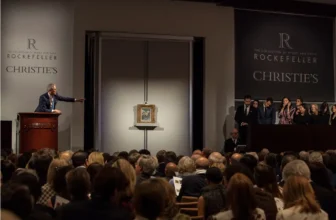
Auction bidding wars
Demand in major markets (NYC, Hong Kong, London)
Example: Jean-Michel Basquiat pieces skyrocketed after hip-hop culture embraced him.
Authenticity , Verified or Fake?
If authenticity isn’t certain, value collapses.
Expert authentication may require:
Forensic analysis
Signature verification
Pigment testing
Expert board approval
A real Picasso = millions
A fake Picasso = almost nothing
Size and Display Appeal
Large, visually striking pieces often command higher values because they display impressively in museums and luxury homes.
But oversized paintings can sometimes sell lower due to installation challenges.
Why Are Some Paintings Worth Millions?
A painting becomes “worth millions” when all major value-driving factors align.
In short, a million-dollar painting typically:
Was created by a historically important artist
Is rare or part of a famous period
Has verified provenance and authenticity
Is desirable to wealthy collectors
Sparks emotional or cultural significance
Real-World Examples
| Painting | Artist | Sold For | Why It’s So Valuable |
|---|---|---|---|
| “Salvator Mundi” | Leonardo da Vinci | $450.3M | Artist legacy + rarity + hype |
| “Interchange” | Willem de Kooning | $300M | Abstract movement pioneer |
| “Shot Sage Blue Marilyn” | Andy Warhol | $195M | Iconic subject + cultural impact |
Art doesn’t just reflect culture, it shapes it. That’s what wealthy collectors pay for.
How Do I Find Out If My Painting Is Valuable?
If you have a painting and wonder whether it’s worth serious money, follow these steps:
Look for a Signature
Check the front bottom corners or the back.
Take notes:
Artist name (exact spelling matters)
Date
Edition numbers (e.g., 3/50 means a limited print)
Search online auction sites (Sotheby’s, Christie’s, Artnet) for comparable works.
Examine the Materials
Oil on canvas or wood is generally more valuable than prints or posters.
Signs of higher value include:
✔ Visible brushstrokes
✔ Artist’s notes or stamps
✔ High-quality framing
✔ Thick canvas and aging patina
If it’s printed dots or uniform texture → likely a reproduction.
Assess Condition
Describe any damages before seeking experts, it affects price.
Check Provenance
Gather all documents:
Purchase receipts
Gallery labels
Certificates of authenticity
Auction catalog references
Even handwritten letters help.
Get a Professional Appraisal
Specialists can give an accurate value based on current markets.
Where to find appraisers:
Major auction houses (Christie’s, Sotheby’s)
Appraisers Association of America
International Society of Appraisers
Reputable galleries
Avoid “we buy art” dealers, potential conflict of interest.
How to Tell if a Painting Is Expensive , Quick Checklist
If you see multiple YES answers below, it might be valuable:
| Question | Yes? |
|---|---|
| Is the artist well-known in art history? | ✔ |
| Is it an original, not a print? | ✔ |
| Is the condition very good or professionally restored? | ✔ |
| Does it have provenance or exhibition history? | ✔ |
| Is it stylistically unique or emotionally powerful? | ✔ |
| Is the subject commercially appealing? | ✔ |
| Does online research show auction results for similar works? | ✔ |
If you answer yes to 3 or more, get a formal appraisal.
Is There an App That Tells You How Much a Painting Is Worth?
Yes , several apps and platforms help you estimate art value.
However:
Apps give rough estimates, not official appraisal value.
Best Apps to Check Artwork Value (2025)
| App / Platform | What It Does | Best For |
|---|---|---|
| Magnus App | Scan artwork → find data, artist records | Gallery pieces |
| Artnet | Auction price database | Known artists |
| ValueMyStuff | Expert appraisal uploads | Private owners |
| Mearto | Online valuation with real appraisers | Certificates of value |
| Smartify | Museum artwork recognition | Learning more about famous works |
Apps are ideal for first-stage research.
For real selling or insurance value → you need experts.
Where to Get Free Help Identifying Art
Sometimes the best resources cost nothing:
Local art museums can recommend appraisers
Art history departments at universities
Online forums (ask for non-monetary opinions)
Facebook groups for art identification
Estate auctioneers
Always get multiple opinions, expertise varies.
How to Sell a Painting Worth Money
If your painting turns out to be valuable, sell it through:
Major auction houses (for high-value works)
Specialty art auctioneers (regional or niche artists)
Trusted art galleries
Online fine art platforms (Artsy, 1stDibs, Heritage Auctions)
Avoid quick-cash buyers who may exploit your lack of knowledge.
Common Mistakes When Trying to Value Artwork
Believing a fancy frame guarantees high value
Thinking an old painting must be valuable
Assuming a signature is real
Using random appraisal certificates
Cleaning or repairing art yourself (dangerous!)
If a painting might be valuable → don’t touch it.
Are Paintings a Good Investment in 2025?
Yes , fine art continues to outperform some traditional asset classes.
Why wealthy investors love art:
Tangible and portable wealth
Market growth driven by scarcity
Hedge against inflation
Cultural and aesthetic enjoyment
But:
Art is a high-risk investment requiring expertise. Values can fall sharply if trends change.
Smart investors:
Buy from respected galleries
Choose artists with documented demand
Focus on quality, rarity, and authenticity
What makes a painting instantly more valuable?
A discovery connecting it to a major artist
Museum authentication or exhibition
Strong media or collector interest
One new signature verification can multiply value 1000x.
If a painting is signed, is it valuable?
Not necessarily. Fake signatures are common. Authentication matters more than handwriting.
Are watercolor paintings valuable?
Yes , if by notable artists. But generally oils sell for more due to durability and prestige.
Can modern paintings be worth millions?
Absolutely.
Basquiat, Banksy, and contemporary stars sell for massive prices.
A painting’s value is a fascinating blend of artistic genius, historical influence, market demand, and human emotion. Sometimes the difference between a $50 thrift-store buy and a multi-million-dollar masterpiece is simply… knowing what to look for.
Your artwork could be a treasure waiting to be discovered.
If you’d like, I can help you research your painting: