Why Banks Invest in Art: The Hidden Economics of Art and Wealth,
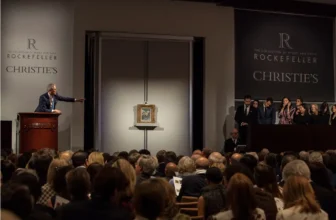
Art has long been associated with prestige, creativity, and cultural influence, but it is also a powerful economic asset. While everyday investors may view art as a luxury for the elite, financial institutions and wealthy individuals have long understood that art is more than decoration. It is a form of capital. Banks, financial institutions, wealthy families, and historical merchant elites have strategically used art to exert influence, stabilize wealth, build reputation, and even support national cultural identity.
In this comprehensive topic for today, we will explore why modern banks invest in art, why they actively encourage their clients to invest in art, why wealthy individuals do the same, and how merchants and bankers throughout history funded the arts to shape learning, power, and economics. The result is a deep look at how art, finance, and society have been intertwined for centuries.
Why Do Banks Invest in Art?
Art Functions as a Store of Value
One of the main reasons banks invest in art is the asset’s ability to maintain or increase its value over time. High-quality artworks, particularly those by blue-chip artists, tend to appreciate predictably, making them a strong hedge against inflation.
Unlike stocks that can crash overnight or currencies that fluctuate, masterworks from Picasso, Warhol, Rothko, and other established artists often experience long-term market stability. Even during recessions, the art market historically rebounds quickly, making it a strategic addition to a bank’s diversified asset portfolio.
Art Enhances a Bank’s Brand and Cultural Capital
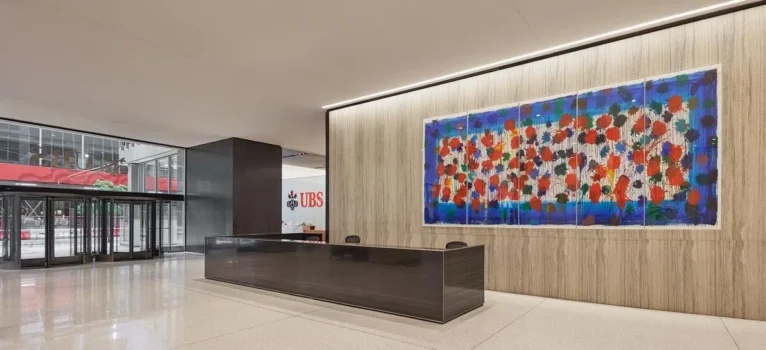
Art collections enable banks to distinguish themselves in a competitive industry. Displaying fine art in lobbies, meeting rooms, and offices helps convey stability, sophistication, and long-standing cultural influence.
This is why HSBC, Deutsche Bank, JPMorgan Chase, UBS, and others maintain extensive corporate art collections, sometimes numbering tens of thousands of pieces.
Art collections can:
attract high-net-worth clients
improve corporate image
signal refined taste and stability
create a sense of trust and legacy
In finance, reputation is everything. Art supports that perception.
Art Collections Support Corporate Social Responsibility Initiatives
Banks are constantly evaluated not only by their profits but by their cultural and social contributions. Art collections allow banks to support artists, fund exhibitions, lend art to museums, and sponsor educational programs.
This helps banks improve:
public relations
community engagement
employee well-being
cultural relevance
Many banks view art as a way to give back to society while also benefiting from positive press and stakeholder loyalty.
Art Helps Attract and Retain Top Talent
Workplaces rich in art enhance creativity and employee satisfaction. Research shows that artistic environments help reduce stress and increase productivity. Banks use this to:
create visually inspiring environments
stimulate innovative thinking
differentiate themselves as modern employers
Competition for talent in finance is fierce. Art serves as a subtle but effective tool to build appealing, human-centric workplaces.
Art Investment Advisory Services Are Profitable
Banks do not only invest in art, they also encourage their clients to do so. Many large financial institutions offer art advisory services, art-secured lending, and art investment funds.
By offering:
appraisals
portfolio recommendations
art financing
authentication support
banks generate significant new revenue streams.
In short, art is both a financial and strategic corporate asset.
Why Do Banks Encourage Art Investments?
Art Investment Creates New Wealth Management Opportunities
High-net-worth clients often seek unconventional investment options. Art, especially rare or blue-chip works, fits well into alternative asset portfolios. Banks encourage this because it allows them to offer highly personalized, exclusive services.
Art advisory helps banks:
deepen client relationships
attract ultra-wealthy investors
build multi-generational family trust services
Art becomes a gateway into deeper, longer-term financial partnerships.
Art Investment Generates Fees and Lending Opportunities
Banks earn money by advising on art purchases, storing art, and offering art-backed loans called art-secured lending. Wealthy collectors often borrow money using their art as collateral, which benefits the bank through interest payments while the client keeps ownership of the artwork.
This creates:
stable revenue
lower risk compared to unsecured loans
greater customer loyalty
Banks encourage art investment because it supports a profitable financial ecosystem.
Art Strengthens Portfolio Diversification
Banks consistently emphasize diversification. Art offers a unique advantage: it has a low correlation with traditional markets like stocks or bonds. When equity markets fall, art prices do not necessarily decline.
By recommending art investments, banks help clients:
stabilize portfolios
hedge against inflation
reduce overall financial risk
Better client outcomes mean stronger client retention.
Art Enhances the Prestige of Client Services
Banks want their wealth management divisions to appear elite. Offering art consulting services makes a bank seem more exclusive, sophisticated, and globally connected. It signals to clients that their bank is capable of handling not just money, but generational legacy building.
In essence, art becomes part of the bank’s luxury service branding.
Why Do Wealthy People Invest in Art?
Art Is a Symbol of Status, Identity, and Legacy
For centuries, wealthy individuals have used art to communicate power, taste, and cultural influence. Owning a rare masterpiece offers social prestige that few other possessions can match.
Art ownership signals:
sophistication
cultural literacy
global influence
generational wealth
For many wealthy people, art is a form of identity, not just an asset.
Art Offers Financial Benefits and Tax Advantages
Art investments often come with significant financial incentives:
tax deductions for donating art
the ability to pass art to heirs more strategically
capital gains advantages in certain countries
potential to store art in freeports, reducing taxes
These factors make art both financially rewarding and tax-efficient.
Art Diversifies Wealth
Wealthy individuals do not want their assets concentrated in volatile markets. Art offers stability and diversification, helping protect wealth across economic cycles. This is especially useful during inflationary periods or geopolitical uncertainty.
Art Is a Portable, Global Form of Wealth
Unlike real estate or businesses, art can be moved across borders relatively easily. It is:
discreet
transportable
stored securely in freeports
buyable and sellable globally
This international liquidity appeals to wealthy investors seeking flexibility.
Art Offers Emotional and Aesthetic Value
Wealthy individuals do not only buy art for profit. Art provides personal enjoyment, inspiration, and emotional meaning. It enriches homes and personal spaces, bringing pleasure beyond monetary value.
Art is one of the few assets that can be both economically and emotionally rewarding.
Why Did Wealthy Merchants Fund the Arts Historically?
Art Was a Tool to Build Power and Reputation
During the Renaissance and beyond, merchant families like the Medici of Florence, the Fugger bankers of Germany, and the great trading houses of Venice and Amsterdam used art patronage to elevate their social standing.
At the time, merchants, despite being wealthy, were often not part of the established nobility. Funding art allowed them to:
gain political influence
build credibility
align themselves with intellectual and cultural elites
appear sophisticated and educated
Art was the social currency that transformed economic capital into cultural power.
Art Supported Civic Pride and Urban Identity
Wealthy merchants funded public sculptures, paintings, churches, and civic buildings to beautify their cities and leave a lasting legacy. This increased tourism, trade, and civic prosperity.
Cities with strong artistic identities became major hubs of commerce. The arts directly supported economic development.
Art Was a Form of Spiritual and Moral Expression
In eras dominated by religious institutions, art played a crucial spiritual role. Merchant patrons funded religious works to:
signal piety
solidify social acceptance
honor religious institutions
seek moral legitimacy
Art provided not only prestige but moral validation.
Art Patronage Built Networks and Political Alliances
Gift-giving in the form of art helped merchants build relationships with:
politicians
clergy
foreign governments
wealthy families
business partners
A single commissioned painting could secure alliances or strengthen business deals.
Art Supported the Humanist Renaissance
By funding artists, philosophers, writers, and scholars, wealthy merchants directly contributed to the intellectual revolution of the Renaissance. Their financial support enabled:
scientific discovery
cultural learning
philosophical dialogue
preservation of classical knowledge
Merchants were key architects of the modern world.
How Did Wealthy Merchants and Bankers Promote the Arts and Learning?
They Commissioned Masterpieces
Merchants hired artists like:
Michelangelo
Leonardo da Vinci
Raphael
Botticelli
Titian
These commissions funded the creation of works that defined Western art.
They Founded Academies, Libraries, and Schools
Merchant families established:
universities
public libraries
music conservatories
art academies
scientific institutions
These supported the growth of education and intellectual life.
They Preserved Classical Knowledge
During the Renaissance, merchants financed the translation and preservation of ancient Greek and Roman texts. This revived classical learning after centuries of decline.
They Funded Scientific Advancement
Bankers and merchants supported early scientists, astronomers, and inventors. The Medici, for example, funded Galileo. This patronage helped fuel the Scientific Revolution.
They Used Art and Learning to Shape National Identity
Merchant patronage helped define cultural identity in Italy, the Netherlands, Germany, and beyond. Art shaped political narratives, national pride, and shared heritage.
Banks invest in art not only for financial reasons but to build reputation, engage communities, inspire employees, and attract wealthy clients. They encourage art investments because the art market provides profitable opportunities, diversification, and prestige. Wealthy individuals invest in art for similar reasons, status, tax benefits, emotional value, and financial security.
Historically, wealthy merchants and bankers used art patronage to shape society, promote learning, and secure their legacy. They built cities, cultural institutions, and intellectual movements that still influence the world today.
In the end, art is more than an asset. It is a bridge between wealth and culture, power and identity, finance and human creativity. And whether in Renaissance Florence or modern financial centers, the relationship between art and money continues to define our cultural landscape.