How the Ultra-Rich Use Art Events to Build Influence
Art fairs, exclusive auctions, museum galas, and private viewings may look like glamorous celebrations of creativity, but for the world’s wealthiest elites, they serve a far deeper purpose. Luxury art events function as strategic arenas where influence is built, networks are strengthened, reputations are crafted, and major business or political deals quietly take shape. Though the public sees art as a domain of beauty, culture, and intellectual enrichment, the ultra-rich understand that the art world is a powerful engine of soft power, social positioning, and high-level relationship-building.
This article explores why wealthy individuals invest heavily in art events, how these gatherings reshape social hierarchies, what hidden power dynamics play out behind the scenes, and why art itself has become a critical status symbol for global influencers. As you’ll discover, the real currency at these events isn’t just the art , it’s access, visibility, and the ability to shape conversations that ripple far beyond the gallery walls.
The Strategic Purpose Behind Art Event Investments
To understand the rich’s fascination with art events, it’s essential to recognize that these gatherings operate as more than leisure activities. They are meticulously curated ecosystems where money, power, culture, and influence intersect. Buying into the art world provides access to an elite global circuit , from Art Basel to TEFAF to Venice Biennale parties , allowing wealthy patrons to embed themselves in a prestigious cultural class.
Art events offer several strategic advantages. First, they provide credibility. Supporting the arts signals refinement, intelligence, and cultural sophistication, qualities that help wealthy individuals reshape or elevate their public personas. Second, they provide insulation. Associating with art softens the perception of wealth, reducing public scrutiny. Third, they create opportunities for networking at the highest levels. When CEOs, politicians, celebrities, and institutional leaders gather around shared cultural interests, conversations often lead to collaborations that are both lucrative and socially influential.
These motivations help explain why billionaires often donate to museums, sponsor exhibitions, and sit on cultural institution boards. Such roles grant them access to exclusive inner circles where decisions with world-scale impacts are quietly made. In these contexts, art functions as a social key , unlocking rooms that money alone cannot open.
How Art Events Strengthen Elite Social Networks
If art is the key, events are the gateway to cultivating the relationships that matter most. At the top levels of wealth, social capital becomes as valuable as financial capital. Art gatherings are ideal environments for nurturing this capital because they combine glamour, intellect, and exclusivity in ways that encourage high-level bonding.
Private previews, for example, offer patrons early access to artworks before they hit the public market. But more importantly, they provide face-to-face interactions with curators, influential collectors, and other wealthy patrons. These are not casual encounters. They are opportunities to be seen as a serious participant in culture, to exchange insights, and to quietly signal one’s taste and purchasing power.
Gala dinners operate similarly. Adults in formal attire gather not only to celebrate an artist or support a museum, but to sit at tables strategically arranged to foster new alliances. Whether the guests include global financiers, government officials, tech founders, or entertainment moguls, the conversations had at these dinners often spill into broader societal influence. The setting is refined, but the stakes are high.
Even the seemingly informal after-parties at these events play a role in reinforcing networks. When people drink champagne under the glow of installations or mingle to the backdrop of live performances, barriers drop and relationships deepen. This is where trust is formed and where the ultra-rich begin to see one another not only as business partners but as members of a shared cultural tribe.
The Hidden Power Plays at Luxury Art Events
Behind every glamorous event, intricate power dynamics quietly unfold. At the highest levels, the art world operates as a hierarchy shaped by visibility, patronage, and influence. Wealthy individuals use art events to establish themselves as thought leaders or tastemakers, subtly directing what , and who , is valued in cultural spaces.
One major power play involves controlling narratives. Wealthy patrons often fund exhibitions or future-focused cultural initiatives. In doing so, they help define what themes museums explore, what artists receive recognition, and what movements are legitimized. While this may stem from genuine interest, it also amplifies their influence over cultural dialogues.
Another power dynamic is social positioning. At elite art fairs, placement is everything , whether it’s the booth a gallery secures, the table a donor receives at a gala, or the order in which guests enter a private tour. Each detail signals social hierarchy. Wealthy attendees use these signals to assess peers, identify allies, and gauge where they stand in the broader ecosystem of influence.
There is also the power of gatekeeping. Many art events are accessible by invitation only, and the committees deciding those invitations hold tremendous power. Being included signals status; being excluded can be socially damaging. Rich patrons often cultivate relationships with museum directors, gallerists, or board members precisely to ensure access to these coveted circles.
Finally, there is the quieter realm of deal-making. While the art itself may be the focus, the connections formed at these events often result in investments, mergers, partnerships, political endorsements, and philanthropic collaborations. In this sense, the art world doubles as a discreet networking platform for decisions with global consequences.
Why Art Is the Ultimate Status Symbol for the World’s Wealthiest Influencers
Among all luxury assets, art has a unique quality: it carries cultural, intellectual, and emotional value that transcends material wealth. For the rich, art doesn’t just signal financial capability; it signals taste, education, creativity, and connection to cultural heritage. This combination makes art one of the most powerful status symbols on the planet.
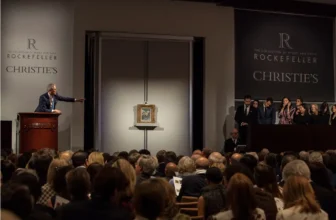
Part of art’s appeal is its exclusivity. High-value artworks are often produced in limited quantities or are entirely one-of-a-kind. Owning such pieces conveys access to something rare. More importantly, the acquisition process itself , working with galleries, negotiating purchases, attending auctions , demands insider knowledge and established relationships. In this way, the act of purchasing art is as much a status signal as the artwork itself.
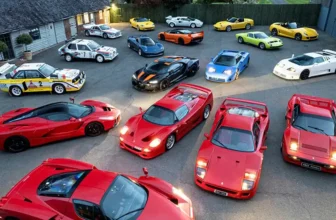
Art also functions as a safe way to display wealth without appearing ostentatious. A painting on a wall communicates sophistication more subtly than a fleet of supercars or designer jewelry. In elite circles, subtlety itself becomes a status marker.
Additionally, art allows wealthy individuals to build legacies. Through donations to museums or by establishing private foundations, they can ensure their names remain attached to cultural institutions for generations. This form of symbolic immortality is deeply appealing for those who have already achieved material success.
The Glamour Game: How Elite Art Parties Quietly Shape Business and Politics
At the surface level, elite art parties appear to be dazzling celebrations filled with celebrity appearances, couture fashion, and multimillion-dollar artworks. But beneath the glamour lies a strategic environment where culture, business, and politics converge.
Many political leaders attend these events not just to admire art, but to meet donors, cultivate relationships with cultural influencers, and engage in soft diplomacy. Business leaders attend to identify investment opportunities, align themselves with cultural prestige, or negotiate global deals in an informal setting. Philanthropists attend to shape institutional priorities and support initiatives aligned with their legacy.
The convergence of these groups creates a unique space where decisions are influenced not through formal negotiations but through shared experiences. When elites discuss environmental art installations, they may segue into climate policy. When they celebrate rising artists, they may discover shared interests that evolve into partnerships. When they admire culturally significant works, they may find common ground for philanthropic initiatives.
In this sense, elite art parties function as soft governance arenas , private, glamorous, and deeply influential.
The Economic Ecosystem Surrounding Elite Art Events
Beyond their cultural aura, luxury art events fuel a massive economic ecosystem that further incentivizes the wealthy to participate. The buying and selling of high-end artworks is only one component; surrounding services , art advisors, private consultants, wealth managers, insurance firms, logistics specialists, and luxury hospitality providers , play equally critical roles.
For the ultra-rich, navigating this ecosystem becomes an opportunity to expand their networks into specialized industries. An art advisor might introduce a collector to an emerging hedge fund partner. A museum curator might connect a donor to a policymaker involved in cultural funding. A luxury event organizer may facilitate introductions between global investors. Every interaction becomes a potential stepping-stone to new influence.
Moreover, the economic power of art gives the wealthy another strategic advantage: asset mobility. Artworks can be moved across borders, exhibited publicly or kept privately, and even stored in tax-free freeports. This flexibility makes art not only a cultural symbol but a financial instrument used in sophisticated wealth management strategies. Thus, participating in art events is not just about appearing cultured , it is about staying informed and connected within a global financial landscape.
The Role of Philanthropy in Influence Building
One of the most subtle yet potent forms of influence-building comes through philanthropic engagement. Wealthy individuals who donate to museums, fund cultural institutions, or sponsor exhibitions often gain access to the highest tiers of society. These donations frequently translate into board appointments, naming rights, or advisory positions.
Such roles are more than honorary. They grant the wealthy a voice in shaping institutional priorities , from which artists are featured to which cultural narratives are emphasized. This influence often extends further into education, tourism, and even urban development. Cities with strong cultural sectors attract investment, talent, and political attention; wealthy patrons who fund these sectors indirectly shape the trajectory of entire regions.
Philanthropy also provides reputational benefits. In an era where public scrutiny of wealth is increasing, cultural donations help reframe the wealthy as benevolent contributors to society. This can mitigate criticism, build goodwill, and create a buffer that protects their other business interests.
The Social Psychology of Elite Art Participation
To truly understand the power dynamics behind art events, one must consider the psychology of status. Among the ultra-rich, social stratification is not simply about wealth , it is about belonging to select groups where cultural capital, taste, and insider access define one’s position.
Art events provide fertile ground for this. They offer a platform for displaying knowledge, sophistication, and personal taste. They allow the wealthy to align themselves with intellectual and creative domains that elevate their identity beyond commerce. They also provide the thrill of exclusivity , access to invitations, private previews, or artist studios that the average person cannot reach.
This exclusivity creates an environment where social comparison becomes inevitable. The art someone buys, the events they attend, and the people they interact with all signal status. And because taste is subjective, art offers far more room for interpretation and social maneuvering than traditional wealth markers like cars or jewelry.
In other words, art becomes a game of identity-building, where the stakes involve social belonging at the highest levels.
How Technology and Digital Art Expand Elite Influence
The rise of digital art, blockchain authentication, and virtual galleries has introduced new ways for the wealthy to engage with the art world , and extend their influence. Tech entrepreneurs, cryptocurrency investors, and digital creators now mingle with traditional art patrons at hybrid events that blend culture, technology, and finance.
For the rich, investing in digital art is not just a financial opportunity; it is a chance to position themselves as forward-thinking innovators. Hosting NFT exhibitions, sponsoring media-art festivals, or acquiring generative artworks allows them to remain relevant in emerging cultural domains. This is particularly important for younger billionaires who seek to differentiate themselves from older generations.
Digital art also expands the global reach of art events. Instead of being limited to physical attendance, the wealthy can participate in virtual previews, online bidding, or metaverse exhibitions. This widens the circle of influence and transforms art events into a global stage where narratives can reach far broader audiences.
Real Examples of Art as a Tool of Influence
Throughout modern history, numerous wealthy figures have used art strategically to build influence. From media magnates who built private museums to tech leaders who sponsor international exhibitions, many examples show how art intertwines with power.
Some billionaires fund restoration projects that endear them to national governments. Others sponsor cultural festivals that position them at the center of creative innovation. Still others use their collections to negotiate diplomatic relationships, lending pieces to foreign museums to build goodwill or cultural alliances.
While motivations vary, the pattern remains consistent: art becomes a conduit through which influence flows.
The Long-Term Impact of Elite Art Influence
The influence built through art events does not stay contained within the art world. It spills into politics, business, philanthropy, and society at large. Cultural institutions often shape public memory and social identity; those who influence these institutions indirectly shape cultural values.
Furthermore, when wealthy elites collaborate across sectors , from technology to finance to politics , the decisions made within these circles can have global ramifications. Whether funding climate initiatives, influencing educational curricula, or investing in new industries, the relationships formed at art events often underpin decisions that impact millions.
Thus, the power cultivated through art is not ephemeral. It is structural.
Art events are more than parties, more than exhibitions, and more than opportunities for luxury consumption. They are strategic gatherings where the wealthy cultivate influence, shape cultural narratives, and form alliances that transcend traditional business dealings. The glamour masks the underlying purpose: to participate in a sophisticated dance of power, reputation, and connection.
In the end, the art world is one of the most effective stages for the ultra-rich to perform their roles as influencers, benefactors, and architects of cultural and social change. And as long as art retains its allure, scarcity, and cultural prestige, it will remain a favored arena where the world’s wealthiest quietly shape the future.
Looking ahead, the relationship between wealth and art will only deepen as global inequality grows and the cultural economy expands. As more ultra-rich individuals compete for status and influence, art events will continue to serve as high-stakes arenas where reputations are forged and alliances are solidified. Whether through groundbreaking exhibitions, high-profile philanthropy, or cutting-edge digital art initiatives, the world’s elites will keep using the art world as both a mirror of their identity and a mechanism of power.
Art therefore remains a potent evolving instrument that shapes influence across global elite networks today.