The Best Place to Buy Antique Paintings
Complete 2025 Guide
Antique paintings hold a unique charm that modern art often cannot replicate. Whether you’re an art collector, investor, interior designer, or simply someone who appreciates history and craftsmanship, antique paintings offer a timeless aesthetic appeal. But finding authentic, high-quality pieces is not always easy. The art market can be confusing, with countless options ranging from prestigious auction houses to online marketplaces and local antique shops.
If you’re wondering where the best place to buy antique paintings is in 2025, this complete guide will walk you through every option. We’ll compare online platforms, galleries, auction houses, and private sellers, while also sharing expert tips for spotting authentic works and avoiding common pitfalls.
Why Buy Antique Paintings?
Before diving into where to buy them, let’s quickly explore why antique paintings remain in demand:
Historical Value – Many antique paintings carry centuries of cultural and historical stories, making them unique pieces of heritage.
Investment Potential – Authentic works from recognized artists can appreciate in value, often outperforming modern decorative art.
Unique Aesthetics – No two antiques are alike; each brushstroke and patina reflects time and originality.
Conversation Starters – Antique art instantly elevates your space, drawing attention and admiration from visitors.
Best Places to Buy Antique Paintings
1. Auction Houses
If authenticity, provenance, and investment value matter to you, auction houses are among the most reputable sources for antique paintings.
Top Global Auction Houses
Sotheby’s – Known for high-profile auctions and exclusive collections.
Christie’s – Offers world-class old master paintings, modern art, and rare antiques.
Bonhams – Specializes in fine art and collectibles with a slightly more accessible entry point.
Pros
Verified authenticity with documentation.
Access to rare, museum-quality works.
Prestige and investment-grade options.
Cons
Competitive bidding can drive prices very high.
Buyer’s premiums (fees) can add 10–25% to the final price.
May not be suitable for casual buyers.
2. Online Marketplaces
The rise of online art sales has made antique paintings more accessible than ever. Platforms combine convenience with a wide selection.
Top Online Marketplaces for Antique Paintings
1stDibs – Luxury antiques marketplace offering vetted antique paintings.
Artnet – Online auctions with detailed provenance and artist background.
Etsy – Good for affordable vintage/antique finds (but requires careful authenticity checks).
eBay – Offers everything from museum-quality pieces to replicas; buyer must do due diligence.
Pros
Convenience of browsing from home.
Wide price range, from affordable to high-end.
Easy comparison across sellers.
Cons
Risk of counterfeits and misrepresented items.
Shipping can be expensive and risky.
Not all sellers provide professional provenance.
3. Antique Shops & Galleries
Local antique stores and art galleries remain a trusted way to buy antique paintings, especially if you value in-person viewing.
Why Choose Antique Shops
You can physically inspect the painting.
Opportunity to negotiate prices directly.
Builds relationships with dealers for future acquisitions.
Top Antique Gallery Destinations
Paris – Le Marais district and Saint-Germain-des-Prés.
London – Mayfair galleries and Portobello Road Market.
New York City – Upper East Side galleries.
Florence & Rome – Renowned for Renaissance and Baroque works.
Pros
See the artwork in natural light before purchase.
Dealers often provide historical context and expertise.
Easier to authenticate when handled in person.
Cons
Limited local selection compared to online.
Prices can be higher due to gallery overheads.
4. Estate Sales & Auctions
Estate auctions often feature hidden gems, sometimes overlooked antique paintings sell for a fraction of their true value.
Why Estate Sales Work
Less competitive than big-name auctions.
Chance to discover undervalued pieces.
Many items come directly from private collections.
Pros
Potential for bargains.
Wide variety of art styles and periods.
Cons
Requires research and quick decision-making.
Limited provenance verification.
5. Private Dealers
Private dealers and art consultants act as intermediaries who can source antique paintings directly from collectors.
Pros
Personalized service and expert guidance.
Access to works not available publicly.
Negotiation flexibility.
Cons
Prices may include hefty dealer markups.
Finding a trustworthy dealer requires research.
6. Museums and Heritage Institutions (Deaccession Sales)
Occasionally, museums and institutions sell artworks to raise funds, a process called deaccessioning.
Pros
100% authenticity guaranteed.
Unique opportunity to own museum-quality art.
Cons
Rare and highly competitive.
Usually limited to high-value collectors.
Where Do People Buy the Most Art From?
Art has long been a cherished expression of culture, creativity, and personal taste. For centuries, people have sought to collect, display, and invest in artwork, whether for aesthetic enjoyment, social status, or financial gain. Today, the art market has evolved dramatically, offering multiple avenues for purchasing artwork. From traditional galleries to online marketplaces, the choices can be overwhelming. This article explores where people buy art most frequently, the advantages and disadvantages of these options, pricing considerations, and the benefits of owning art.
Popular Channels for Buying Art
Art Galleries
Art galleries are one of the most traditional avenues for buying art. They are physical spaces where artists, curators, and gallery owners exhibit artworks for sale. Galleries often focus on representing a curated selection of artists, offering high-quality pieces and professional advice.Art Fairs and Exhibitions
Art fairs and exhibitions are large events where multiple artists and galleries showcase their work. These events attract collectors, art enthusiasts, and investors alike, providing an opportunity to see a wide variety of artworks in a short time. Popular art fairs, such as Art Basel or The Armory Show, have become significant hubs for both emerging and established artists.Online Art Marketplaces
The digital age has revolutionized art buying. Platforms like Saatchi Art, Artsy, and Etsy allow artists to sell directly to buyers worldwide. Online marketplaces have become increasingly popular due to their accessibility and convenience, allowing people to browse thousands of artworks from home.Auction Houses
Auction houses like Sotheby’s, Christie’s, and Bonhams cater to high-end art collectors and investors. Auctions are known for featuring rare and valuable pieces, sometimes fetching record-breaking prices. Buyers participate in competitive bidding, which can make the process exciting but also unpredictable.Direct from Artists
Many collectors prefer to buy directly from artists, whether through studio visits, social media, or private arrangements. This approach allows for personal interaction with the creator, often providing insight into the inspiration and technique behind the artwork.
Advantages and Disadvantages of Different Art Buying Channels
Art Galleries:
Advantages: Galleries offer curated selections, professional advice, and authentication of artworks. They provide a physical space to view the artwork’s texture, color, and scale, which is difficult to appreciate fully online. Galleries also support artists by giving them exposure and representation.
Disadvantages: Prices in galleries can be significantly higher due to commissions and overhead costs. Additionally, galleries may focus on certain styles or artists, limiting diversity for buyers.
Art Fairs and Exhibitions:
Advantages: Art fairs offer exposure to a wide range of styles, artists, and price points. Buyers can compare multiple works in one visit and discover emerging talent. Fairs often host talks, workshops, and networking opportunities for art lovers.
Disadvantages: Art fairs can be crowded and overwhelming. The temporary nature of these events may make it difficult to form long-term relationships with artists or galleries. Some fairs also focus heavily on commercial viability rather than artistic quality.
Online Marketplaces:
Advantages: Convenience and accessibility are the main benefits. Buyers can explore global artwork, filter by style, price, or size, and often purchase with just a few clicks. Online platforms also support emerging artists, giving them direct access to international audiences.
Disadvantages: Viewing artwork online can misrepresent color, scale, or texture. There is also a risk of fraud or purchasing art without proper provenance. Shipping costs and potential damage during transit are additional concerns.
Auction Houses:
Advantages: Auctions provide access to rare and high-value works, often with detailed provenance and authentication. The bidding process can be exciting and allows collectors to compete for significant pieces.
Disadvantages: Auctions may be intimidating for new buyers. Prices can escalate quickly, sometimes beyond initial expectations. There are also fees and commissions that add to the total cost, and the competitive environment can lead to impulsive decisions.
Direct from Artists:
Advantages: Buying directly from artists often offers more affordable prices since there are no gallery commissions. Collectors can form personal connections with the artist, gaining insight into the creative process and potentially commissioning custom works.
Disadvantages: There is less assurance of authenticity or resale value. Some buyers may be wary of investing in lesser-known artists, and finding reputable creators may require significant research.
Pricing Considerations
The cost of art varies dramatically depending on several factors, including the artist’s reputation, medium, size, and rarity. In galleries, prices often include a markup of 30–50% to cover overhead and commissions. Online platforms can offer more competitive prices, particularly for emerging artists or prints.
Auction houses typically include a buyer’s premium of 10–25% above the final bid, and prices for iconic works can reach millions of dollars. When buying directly from artists, prices are usually negotiable and may be lower, but it requires careful evaluation of quality, originality, and potential appreciation in value.
Collectors should also consider additional costs, such as framing, shipping, insurance, and maintenance, which can add significantly to the overall investment.
Benefits of Buying Art
Aesthetic Enjoyment
Owning art enhances living and working spaces, adding beauty, color, and personal expression. Art can evoke emotions, spark conversation, and reflect the owner’s taste and values.Cultural and Intellectual Enrichment
Art exposes viewers to different cultures, ideas, and perspectives. Collecting art encourages exploration of history, techniques, and artistic movements, contributing to lifelong learning and personal growth.Financial Investment
Art can serve as an alternative investment. While not guaranteed, certain works appreciate in value over time, especially those by well-known or emerging artists who gain recognition. Art markets can provide diversification for investors seeking non-traditional assets.Support for Artists
Purchasing art directly benefits creators, enabling them to continue producing work and contributing to cultural enrichment. Supporting artists helps sustain the creative ecosystem and encourages innovation in the arts.Emotional and Social Benefits
Art can reduce stress, inspire creativity, and foster social connections. Collectors often form communities with like-minded enthusiasts, attending exhibitions, fairs, and events to share their passion.
How to Spot Authentic Antique Paintings
With counterfeits and reproductions common, buyers must learn basic authentication skills.
Key Factors to Check:
Provenance – Verify the ownership history and documentation.
Medium & Materials – Antique works often use oil on canvas, wood panels, or tempera.
Condition – Look for natural signs of aging like craquelure (fine cracks in paint).
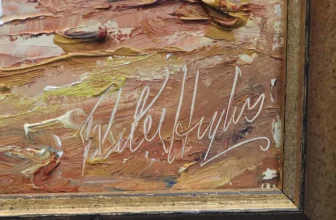
Artist Signature – Compare with verified signatures of the artist.
Professional Appraisal – Always seek an expert evaluation for high-value purchases.
Common Mistakes to Avoid
Buying without provenance – Always request documentation.
Overpaying at online marketplaces – Compare prices across platforms.
Ignoring restoration history – Some paintings may be over-restored, reducing authenticity.
Confusing vintage with antique – Remember: antiques are generally 100+ years old.
Tips for Buying Antique Paintings Online Safely
Choose platforms with buyer protection policies.
Request high-resolution photos of both front and back.
Ask for an authenticity certificate or third-party appraisal.
Factor in shipping and insurance costs before purchasing.
Final Thoughts: Where’s the Best Place?
The best place to buy antique paintings ultimately depends on your goals:
For serious collectors/investors → Auction houses like Christie’s and Sotheby’s.
For unique and mid-range finds → Online marketplaces like 1stDibs and Artnet.
For casual buyers and decor lovers → Etsy, eBay, and local antique shops.
For hidden treasures → Estate sales and private dealers.
By balancing authenticity, budget, and convenience, you can find the perfect antique painting that fits your collection or living space.
The ways people buy art have expanded significantly in recent years, from traditional galleries and auction houses to online marketplaces and direct artist purchases. Each channel offers unique advantages and disadvantages, with varying pricing structures and levels of accessibility. Understanding these differences is crucial for both new and experienced collectors.
Ultimately, owning art provides a blend of aesthetic, cultural, financial, and emotional benefits. Whether purchased for personal enjoyment, investment, or support of artists, art enriches lives in ways that transcend mere decoration. By carefully considering where to buy, how much to spend, and what to collect, individuals can make informed choices that bring long-lasting value and satisfaction.
Image/ Christies