From Auction to Private Sale: How to Buy Old Master Paintings
Old Master paintings have long been the cornerstone of serious art collections , the timeless works of Europe’s great painters from the 14th to the early 19th centuries. They represent not only extraordinary craftsmanship but also enduring value in the art market. From Rembrandt to Rubens, from Artemisia Gentileschi to Titian, these works continue to captivate investors, museums, and private collectors alike.
In this comprehensive guide, we’ll explore how to buy Old Master paintings, where to buy them, how much they cost, and what to watch out for in this refined and often opaque corner of the art market. Whether you’re a first-time buyer or a seasoned collector, understanding the nuances of this market can help you make informed and rewarding decisions.
What Is Considered an Old Master Painting?
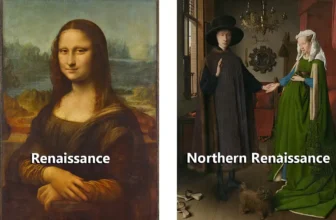
The term “Old Master” generally refers to paintings created by European artists before approximately 1800. This era spans the Renaissance, Baroque, and Rococo periods, and includes schools such as the Italian Renaissance, the Dutch Golden Age, and the Flemish Baroque.
While the exact definition varies between auction houses and institutions, the term usually includes artists like:
Leonardo da Vinci, Michelangelo, and Raphael (Italian Renaissance)
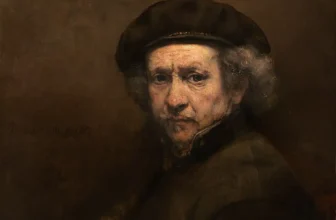
Rembrandt van Rijn, Johannes Vermeer, and Frans Hals (Dutch Golden Age)
Peter Paul Rubens and Anthony van Dyck (Flemish Baroque)
Diego Velázquez and El Greco (Spanish Golden Age)
Jean-Baptiste-Siméon Chardin and Nicolas Poussin (French Classical)
The category excludes later 19th-century movements such as Impressionism and Post-Impressionism , those belong to “Modern” art in market terminology.
Are There Any Female Old Masters?
For centuries, the art world largely excluded women from formal training and guild membership, making female Old Masters rare , but they certainly existed. Today, their rediscovery has transformed both art history and the market.
Some remarkable female Old Masters include:
Artemisia Gentileschi (1593–1653) – A Baroque painter celebrated for her dramatic, powerful depictions of women from the Bible and mythology.
Judith Leyster (1609–1660) – A Dutch Golden Age painter known for her lively genre scenes and portraits, often mistaken for Frans Hals.
Rachel Ruysch (1664–1750) – A still-life painter whose floral compositions rivaled her male contemporaries in both technical skill and market value.
Elisabetta Sirani (1638–1665) – A prolific Bolognese painter known for her refined religious and allegorical works.
In recent years, collectors and institutions have sought to correct historical imbalances by rediscovering these artists. Prices for female Old Masters have risen sharply, making them both culturally significant and financially promising investments.
Why Collect Old Master Paintings?
Before diving into where and how to buy, it’s essential to understand why collectors pursue Old Masters. Here are the key motivations:
1. Historical Significance
Old Masters represent the foundation of Western art. Each piece offers a tangible link to the cultural, religious, and political history of its time.
2. Provenance and Prestige
Owning a painting by an artist whose works hang in the Louvre or the Prado carries undeniable prestige. Provenance , the documented history of ownership , also adds depth and value to the acquisition.
3. Investment Potential
Although the Old Master market is smaller than the contemporary art market, it’s more stable. While modern art can fluctuate wildly, Old Masters tend to hold value or appreciate gradually, particularly for museum-quality works.
4. Aesthetic and Emotional Reward
Beyond financial gain, collecting Old Masters offers immense aesthetic pleasure. These works are masterpieces of technique and beauty , tangible reminders of human genius.
Where to Buy Old Master Paintings
When buying Old Masters, understanding the market structure is key. The market primarily functions through three main channels: auctions, dealers, and private sales. Each has unique advantages and considerations.
1. Auction Houses
Auction houses like Christie’s, Sotheby’s, and Bonhams are the most public and transparent venues for buying Old Master paintings. They host dedicated “Old Masters” sales several times a year, often in London, New York, or Paris.
Advantages:
Access to top-tier works from private collections.
Transparent pricing through public bidding.
Expert cataloging and condition reports.
Disadvantages:
Competition can push prices well above estimates.
Buyer’s premiums (often 20–25%) add significant cost.
Fast-paced bidding requires confidence and market knowledge.
Tip: Attend previews and speak with the specialists. Request detailed condition reports, and if possible, consult an independent conservator before bidding.
2. Art Dealers and Galleries
Many collectors prefer to work with Old Master dealers , experts who curate works privately. Renowned dealers such as Colnaghi, Dickinson, and David Tunick Inc. maintain relationships with museums and collectors worldwide.
Advantages:
Personalized guidance and discretion.
Opportunity to negotiate and inspect works privately.
Dealers often provide access to pieces not publicly available.
Disadvantages:
Prices are not publicly disclosed, making it harder to gauge market value.
Some dealers may overstate provenance or condition without third-party verification.
Tip: Choose dealers who are members of recognized associations, such as the British Antique Dealers’ Association (BADA) or the Confédération Internationale des Négociants en Œuvres d’Art (CINOA).
3. Private Sales and Art Advisors
In the high-end market, many significant Old Master transactions occur privately, often brokered by art advisors or auction house specialists. Private sales can be beneficial for confidentiality and negotiation.
Advantages:
Discretion and privacy.
Flexibility in pricing and payment terms.
Often involves museum-quality works not seen on the open market.
Disadvantages:
Less transparency than auctions.
Requires strong due diligence to confirm authenticity and title.
Tip: Use an independent art advisor who specializes in Old Masters to conduct background checks on provenance, condition, and market comparables.
How Much Are Old Master Paintings Worth?
The value of Old Master paintings varies enormously, depending on the artist, condition, provenance, and rarity.
1. Entry-Level Prices (Under $50,000)
For lesser-known or anonymous artists from the 17th–18th centuries, you can still acquire high-quality works. These may not be household names but can offer beauty and craftsmanship at accessible prices.
2. Mid-Tier Market ($50,000 – $500,000)
At this level, collectors can find paintings by second-tier names or circle/follower works of major masters. For example, a painting “after Rubens” or “attributed to a follower of Rembrandt” might fall here.
3. Blue-Chip Old Masters ($500,000 – $10 Million)
Museum-quality paintings by renowned names such as Canaletto, Guardi, or van Dyck command seven to eight figures.
4. Record Prices (Over $10 Million)
The record-breaking sales are rare but headline-making. For instance, Leonardo da Vinci’s “Salvator Mundi” sold at Christie’s in 2017 for $450 million, the most expensive painting ever sold.
Market Note:
While the top end of the Old Master market is smaller than that for contemporary art, it is more stable and often offers better long-term value retention.
How to Buy Old Master Paintings: Step-by-Step
1. Research and Education
Start by studying art history, artist monographs, and auction results. Platforms like Artnet, Artprice, and auction archives are invaluable.
2. Define Your Focus
Some collectors specialize in a specific school or period , such as Italian Baroque or Dutch Golden Age. Focusing helps you recognize authenticity and pricing trends.
3. Verify Provenance and Authenticity
Always request documentation detailing previous ownership, exhibition history, and literature references. Provenance can dramatically affect value.
4. Examine Condition
Condition is crucial. Overpainting, restoration, or damage can reduce value. Use ultraviolet light inspections and professional conservator reports before purchase.
5. Seek Expert Opinions
Independent experts, museum curators, or art historians can confirm authenticity. Avoid relying solely on dealer descriptions.
6. Understand Legal and Export Issues
Certain countries have strict export laws protecting cultural heritage (e.g., Italy, Spain, France). Always confirm that export permits and title documents are in order.
7. Insure and Store Properly
Once purchased, Old Masters should be insured for full replacement value and stored in climate-controlled environments. Consult fine-art insurance specialists for policies tailored to high-value works.
Tips and Tricks When Buying Old Master Paintings
Here are expert strategies to maximize success when entering the Old Master market:
1. Buy the Best You Can Afford
Quality always outperforms quantity. A single masterpiece by a lesser-known but skilled hand often outperforms a mediocre work by a famous name.
2. Look for Undervalued Artists
The Old Master market contains hidden gems , painters who were successful in their time but later overlooked. Rediscoveries can yield excellent returns when scholarship and taste shift.
3. Prioritize Provenance and Condition Over Size
A small, pristine work with impeccable provenance often outperforms a larger but heavily restored one.
4. Build Relationships with Specialists
Attend gallery openings, fairs like TEFAF Maastricht or Frieze Masters, and talk to dealers. Trusted relationships often lead to first access to exceptional pieces.
5. Use Technology
Infrared reflectography and X-ray imaging can reveal underdrawings or alterations , vital tools in authentication and valuation.
6. Diversify Within the Category
Consider diversifying across regions (Italian, Flemish, Dutch) and subjects (portraits, landscapes, religious scenes) to balance aesthetic and market value.
7. Think Long-Term
Old Masters are illiquid assets. Hold them for at least 5–10 years to realize appreciation potential, especially as museums and scholars reassess forgotten names.
Common Pitfalls to Avoid
Even seasoned collectors make mistakes. Avoid these classic errors:
Buying without Documentation: A painting without clear provenance can later face disputes or export restrictions.
Ignoring Restoration History: Over-cleaning or excessive restoration can permanently affect both appearance and value.
Confusing Copies for Originals: Many Old Masters were copied by studio assistants or students. Ensure authenticity through expert analysis.
Underestimating Maintenance Costs: Conservation, insurance, and storage add ongoing expenses.
Buying for Trend Rather Than Passion: Markets fluctuate. A work that resonates personally will bring satisfaction regardless of price shifts.
The Future of the Old Master Market
While contemporary art dominates headlines, the Old Master sector has seen a quiet resurgence. Several factors drive renewed interest:
Scholarly Rediscoveries: Academic research continues to reattribute works and elevate overlooked artists.
Rising Demand from New Collectors: Wealthy collectors from Asia, the Middle East, and the U.S. increasingly view Old Masters as tangible cultural assets.
Digital Access: Online platforms and virtual auctions have democratized access to Old Master sales.
Institutional Endorsement: Museum exhibitions highlighting female Old Masters and forgotten schools have broadened appeal.
These trends suggest long-term strength, particularly for well-documented, museum-quality works.
Final Thoughts: Entering the Old Master Market with Confidence
Buying Old Master paintings is a pursuit that blends art appreciation, historical scholarship, and financial strategy. It rewards patience, research, and collaboration with trusted experts. Whether your goal is cultural stewardship, portfolio diversification, or the simple joy of living with beauty, the Old Master market offers profound and enduring rewards.
To recap the essentials:
Define your collecting focus , period, region, or theme.
Buy from reputable sources , auctions, established dealers, or vetted private sales.
Demand documentation , provenance, condition, and authentication reports.
Consult specialists , advisors, conservators, and legal experts.
Collect with passion and patience , the best acquisitions are both emotionally and intellectually satisfying.
In a world driven by trends and fleeting hype, Old Master paintings stand apart as eternal works of genius , testaments to humanity’s creativity that transcend time, fashion, and even market cycles. Whether you start at a regional auction or commission an advisor to source masterpieces privately, the journey into the world of Old Masters is as rewarding as the art itself.