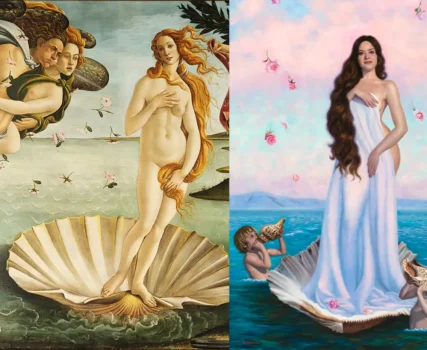
Antique Paintings vs. Modern Art
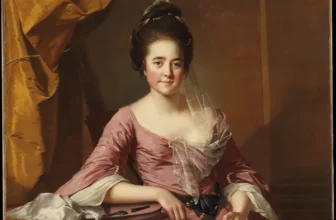
Shopping Ads: Antique Oil Paintings On Canvas For Sale. Limited Originals Available 💰😊
Authentic hidden masterpieces, Explore old master antique oil paintings from the Renaissance and Baroque eras. From 15th-century to 18th-century Antique Paintings. Bring the Renaissance and Baroque in your home. Shop Now!
🎨 Antique Oil Paintings On Canvas Renaissance, Baroque Art Antique Oil Paintings, Make Offer 16th to 18th Century Portrait Paintings
A Collector’s Guide to Value, Demand, and Long-Term Returns
Art as an Investment and a Story
Art investment occupies a unique space in the world of assets. Unlike stocks, bonds, or real estate, art carries cultural weight, emotional resonance, and historical significance alongside its monetary value. For centuries, collectors have debated whether antique paintings, steeped in history and tradition, or modern art, driven by innovation and contemporary relevance, offers the better investment. This debate is not simply about age or style; it is about scarcity, demand, provenance, market psychology, and the evolving tastes of collectors across generations.
To understand which type of art may be the better investment, one must look beyond headlines of record-breaking auction sales and examine how value is created, sustained, and sometimes lost. Antique paintings and modern art operate under different market rules, attract different types of buyers, and respond differently to economic and cultural shifts. For collectors seeking both financial returns and intellectual satisfaction, understanding these differences is essential.
Understanding Antique Paintings: History, Craft, and Proven Value
Antique paintings generally refer to works created before the late nineteenth century, often encompassing Old Masters, Renaissance works, Baroque paintings, and early academic art. These artworks are deeply connected to art history, religious movements, royal patronage, and the evolution of technique. When a collector acquires an antique painting, they are not simply buying an image; they are purchasing a fragment of documented human history.
One of the strongest investment appeals of antique paintings lies in their established provenance. Many works have been studied, cataloged, and exhibited for decades or even centuries. Their creators are often firmly embedded in the art historical canon, which provides a sense of stability. Because the supply of genuine antique paintings is finite and shrinking due to damage, loss, or museum acquisition, scarcity plays a significant role in sustaining their value over time.
However, investing in antique paintings also requires deep expertise. Authentication, condition assessment, and restoration history can dramatically affect value. A painting attributed to a master can lose a significant portion of its worth if later scholarship questions its authenticity. For this reason, the antique art market often rewards experienced collectors who are willing to invest time in research and consult reputable dealers and scholars.
The Financial Strengths of Antique Paintings as Investments
From a financial perspective, antique paintings are often viewed as conservative, long-term investments. Their prices tend to fluctuate less dramatically than those of contemporary or modern art, particularly during speculative booms. Because these works are already well known, their market value is usually anchored by previous sales, museum interest, and academic recognition.
Antique paintings also perform a unique role as a hedge against inflation and economic uncertainty. During periods of financial instability, wealthy collectors often turn to tangible assets with historical significance. Paintings by recognized Old Masters or respected nineteenth-century artists can function as stores of value, similar to rare coins or historical manuscripts.
That said, the antique market is not immune to shifts in taste. In recent decades, some segments of Old Master paintings have experienced slower growth compared to modern and contemporary art. This does not necessarily indicate declining value but rather reflects changing collector demographics and preferences. Younger collectors, in particular, may feel less emotionally connected to religious or aristocratic themes common in antique works.
Challenges and Limitations of Investing in Antique Paintings
While antique paintings offer stability and prestige, they also present distinct challenges. Liquidity is one of the most significant concerns. Selling an antique painting can take time, as the pool of buyers is relatively small and highly specialized. Auction houses may take months to arrange a sale, and private transactions often require discreet negotiations.
Another challenge is maintenance and preservation. Antique paintings are sensitive to light, humidity, and temperature changes. Restoration, when necessary, must be carried out by skilled professionals, and improper conservation can permanently damage both aesthetic and financial value. These ongoing costs should be factored into any serious investment calculation.
Additionally, the market for antique paintings is heavily influenced by scholarship. New research can enhance a work’s value through improved attribution, but it can also diminish value if doubts arise. This scholarly dependency makes antique art a more complex investment than it may initially appear.
Defining Modern Art: Innovation, Identity, and Market Energy
Modern art typically refers to works produced from the late nineteenth century through the mid-twentieth century, including movements such as Impressionism, Cubism, Surrealism, Abstract Expressionism, and others. Modern art represents a break from tradition, emphasizing experimentation, personal expression, and new ways of seeing the world.
From an investment standpoint, modern art occupies a middle ground between antique paintings and contemporary art. Many modern artists, such as Picasso, Monet, Matisse, and Kandinsky, are already firmly established in the canon, yet their works still feel relevant and visually engaging to today’s collectors. This combination of historical importance and aesthetic accessibility contributes to strong and sustained demand.
Modern art also benefits from broader global recognition. Major museums, private foundations, and international collectors actively compete for high-quality examples. This global demand enhances liquidity and price transparency, making modern art attractive to investors who want both cultural credibility and market momentum.
The Investment Appeal of Modern Art
One of the strongest arguments in favor of modern art as an investment is its demonstrated price growth over the past several decades. Iconic modern artworks regularly achieve record-breaking prices at auction, driven by intense competition among collectors, institutions, and investors. Unlike antique paintings, modern art often appeals to a wider audience, including younger collectors who see these works as both intellectually meaningful and visually striking.
Modern art also benefits from strong branding. Certain artists function almost like blue-chip stocks within the art world. Their names alone command attention, and their market performance is closely followed by analysts and collectors alike. This brand recognition can make modern art easier to resell, particularly for works by top-tier artists.
However, this popularity also introduces volatility. Prices for modern art can rise quickly during market booms and soften during economic downturns. While the most iconic works tend to retain value, lesser-known modern artists may experience sharper fluctuations.
Risks and Considerations in Modern Art Investment
Despite its appeal, modern art is not without risks. The market can be driven by fashion, critical trends, and institutional support. An artist who is heavily favored by curators and critics today may lose prominence in future decades, affecting long-term value. Collectors must therefore distinguish between historically significant modern artists and those whose popularity may be temporary.
Condition issues also play a role. Some modern artworks use experimental materials that age poorly. Works involving mixed media, unconventional supports, or unstable pigments may require specialized conservation, which can affect both cost and desirability.
Additionally, the high prices associated with top modern artists create barriers to entry. For many collectors, acquiring museum-quality modern art requires substantial capital, making diversification within a collection more challenging.
Comparing Antique Paintings and Modern Art as Investments
When comparing antique paintings and modern art, the question is not simply which performs better financially, but which aligns with a collector’s goals, resources, and risk tolerance. Antique paintings tend to reward patience, scholarship, and a long-term perspective. They offer historical depth, scarcity, and relative stability, but often lack the explosive growth seen in modern art markets.
Modern art, on the other hand, offers stronger liquidity, broader demand, and higher potential for significant price appreciation. It is more closely tied to global cultural narratives and benefits from ongoing institutional promotion. However, it also carries greater exposure to market cycles and shifting tastes.
Collectors who prioritize preservation of capital may gravitate toward antique paintings, while those seeking growth and visibility may prefer modern art. In practice, many seasoned collectors choose to balance both within a diversified art portfolio.
What Type of Art Is the Best Investment?
Determining the best type of art for investment depends on how one defines “best.” From a purely financial standpoint, the most consistent performers tend to be works by established artists with strong institutional support, documented sales history, and global recognition. These qualities are more commonly found in top-tier modern art and select antique paintings by major masters.
The best investment art is rarely speculative or obscure. It is art that has been studied, exhibited, and collected across generations. Whether antique or modern, quality matters more than category. Exceptional condition, clear provenance, and cultural significance consistently outperform mediocre examples, regardless of age.
For new investors, modern art by well-established artists often offers a more accessible entry point due to clearer market data and stronger liquidity. For experienced collectors with scholarly interest, antique paintings can provide both intellectual satisfaction and long-term value preservation.
What Type of Art Is in High Demand Right Now?
Current demand in the art market reflects broader cultural and generational shifts. Modern art continues to dominate high-profile auctions, particularly works by artists associated with innovation, identity, and social change. Collectors are drawn to art that feels relevant to contemporary conversations while still offering historical grounding.
There is also growing interest in modern works by artists who were previously underrepresented in museum collections. This institutional reevaluation has driven increased demand and rising prices for certain segments of the modern art market. At the same time, select antique paintings with exceptional quality and rarity continue to attract elite collectors, especially when they appear infrequently on the market.
Overall, demand favors works that combine strong visual impact, historical importance, and a compelling narrative. Art that can tell a story beyond its aesthetic qualities resonates most strongly with today’s buyers.
The Emotional and Cultural Dimension of Art Investment
Beyond financial considerations, art investment is deeply personal. Collectors often speak of living with art, forming emotional connections, and deriving daily pleasure from their acquisitions. Antique paintings offer a sense of continuity with the past, allowing collectors to engage with history in an intimate way. Modern art, by contrast, often feels dynamic and forward-looking, reflecting the ideas and anxieties of a rapidly changing world.
These emotional factors should not be underestimated. An artwork that a collector truly values is more likely to be cared for, studied, and held long enough to realize its financial potential. In this sense, the best investment is often art that aligns with personal taste as well as market logic.
The Verdict: Antique Paintings or Modern Art?
The question of whether antique paintings or modern art is the better investment does not have a single, definitive answer. Antique paintings excel in stability, historical significance, and scarcity, making them well-suited for collectors who value preservation of wealth and intellectual depth. Modern art, with its strong demand, liquidity, and growth potential, appeals to those seeking visibility and financial upside.
In today’s market, modern art generally offers stronger short- to medium-term investment performance, driven by global demand and institutional support. However, the finest antique paintings remain powerful long-term assets, particularly for collectors with the expertise to navigate their complexities.
Ultimately, the most successful collectors understand that art investment is not about choosing one category over another, but about recognizing quality, significance, and authenticity wherever they appear. Whether antique or modern, art that endures culturally is most likely to endure financially, making thoughtful, informed collecting the true key to long-term success. image / realismtoday