Art Cars: Why Luxury Car Brands Invest in Art Cars
When Horsepower Meets High Art
Shopping Ads: Antique Oil Paintings On Canvas For Sale. Limited Originals Available 💰😊
Authentic hidden masterpieces, Explore old master antique oil paintings from the Renaissance and Baroque eras. From 15th-century to 18th-century Antique Paintings. Bring the Renaissance and Baroque in your home. Shop Now!
🎨 Antique Oil Paintings On Canvas Renaissance, Baroque Art Antique Oil Paintings, Make Offer 16th to 18th Century Portrait Paintings
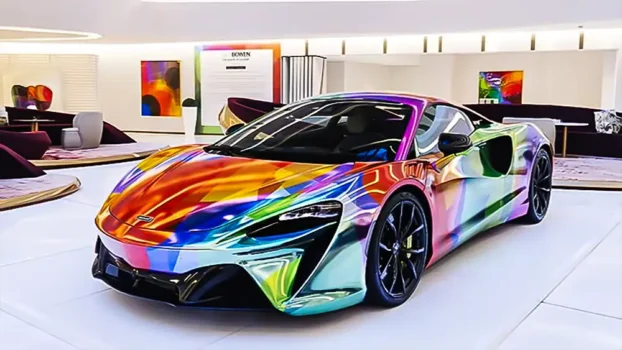
Art Cars occupy a rarefied space where engineering excellence and artistic vision intersect. Far more than decorative automobiles, Art Cars are rolling works of art that challenge conventional definitions of luxury, design, and cultural value. Over the past several decades, luxury car brands have increasingly collaborated with world-class artists to transform iconic vehicles into expressive canvases. These collaborations are not marketing novelties; they are deliberate, deeply considered projects that elevate both the automobile and the artist’s work. For collectors, historians, and enthusiasts, Art Cars represent a fusion of craftsmanship, cultural commentary, and exclusivity that few other objects can rival.
The concept of Art Cars has evolved alongside the luxury automotive industry itself. As luxury brands seek differentiation beyond performance metrics and material quality, artistic collaboration offers a powerful means of storytelling. Art Cars communicate heritage, innovation, and cultural relevance in ways that traditional advertising cannot. They also resonate with a growing audience of collectors who value narrative, provenance, and artistic intent as much as mechanical precision.
The Origins and Evolution of Art Cars in Luxury Automotive Culture
The emergence of Art Cars can be traced to a broader movement within luxury manufacturing that recognizes objects as cultural artifacts. Automobiles, particularly those produced by elite marques, have long been symbols of status and technological mastery. However, the decision to invite artists to reinterpret these machines marked a significant philosophical shift. The car was no longer viewed solely as a product but as a medium.
Early Art Cars challenged expectations by placing avant-garde expression onto meticulously engineered surfaces. These projects were often controversial, as they disrupted traditional notions of automotive purity. Over time, however, they gained recognition as legitimate contributions to both art history and industrial design. Museums, galleries, and major cultural institutions began to exhibit Art Cars, further cementing their status as collectible works rather than curiosities.
As luxury car brands refined their approach, collaborations became more sophisticated. Artists were granted deeper access to design teams, engineering constraints, and brand archives. This resulted in Art Cars that were not merely painted exteriors but holistic reinterpretations of form, color, texture, and meaning.
How Art Cars Redefine Luxury Automotive Design
Art Cars fundamentally alter the way luxury automotive design is perceived. Traditional luxury emphasizes harmony, restraint, and timelessness. Art Cars introduce tension, provocation, and narrative. Rather than diminishing luxury, this tension expands it, allowing brands to demonstrate confidence in their identity and openness to experimentation.
In an Art Car, design becomes dialogic. The artist responds to the vehicle’s lines, proportions, and materials, while the car responds to the artist’s conceptual framework. The result is a layered object that operates on multiple levels. It functions mechanically as a high-performance automobile while simultaneously existing as a visual and conceptual artwork.
This redefinition of luxury aligns with broader cultural shifts. Contemporary luxury consumers increasingly value originality and intellectual engagement. Art Cars offer both. They demand contemplation, invite interpretation, and reward familiarity with art history and design theory. In doing so, they elevate the act of ownership into an act of cultural participation.
Why Do Luxury Brands Collaborate With Artists?
Luxury brands collaborate with artists because art provides cultural legitimacy that cannot be manufactured internally. Artists bring independent vision, critical perspective, and symbolic capital. When a respected artist engages with a luxury automobile, the collaboration signals that the brand is not merely a commercial entity but a patron of culture.
These collaborations also allow brands to reach audiences beyond traditional automotive enthusiasts. Art collectors, museum visitors, and cultural commentators become part of the conversation. Art Cars generate discourse rather than simple admiration, positioning luxury car brands within intellectual and creative ecosystems.
From a strategic perspective, collaboration with artists reinforces brand values such as innovation, courage, and refinement. It demonstrates a willingness to relinquish a degree of control in service of authenticity. This vulnerability, paradoxically, strengthens brand equity by making the collaboration credible rather than promotional.
Why Luxury Car Brands Invest in Art Cars
Investment in Art Cars reflects a long-term vision rather than short-term return. These projects require significant financial, technical, and organizational resources. However, the value they generate is multidimensional. Art Cars enhance brand heritage by creating cultural milestones that endure beyond product cycles.
For luxury automakers, Art Cars also serve as experimental laboratories. Artists often challenge assumptions about materials, finishes, and visual language. Insights gained from these projects can influence future production models, special editions, and design philosophies.
Additionally, Art Cars often appreciate in symbolic and monetary value. When exhibited in museums or auctioned as unique works, they reinforce the perception of luxury automobiles as collectible assets. This benefits not only the brand but also private collectors who view Art Cars as investments anchored in both art and engineering excellence.
Luxury Car Brands’ Most Creative Collaborations
Some of the most compelling Art Cars have emerged from collaborations that allowed artists full creative autonomy within defined technical parameters. These projects succeeded because they respected both disciplines equally. The artist did not simply decorate the car; they engaged with its essence.
In many cases, artists explored themes such as motion, identity, globalization, and technology. The automobile became a metaphor for modern life, speed, and power. Luxury brands that embraced such conceptual depth distinguished themselves from competitors who approached art collaborations more superficially.
These creative partnerships often extended beyond a single vehicle. They included exhibitions, publications, and educational initiatives that contextualized the Art Cars within broader artistic and cultural narratives. This holistic approach reinforced the seriousness of the collaboration and its relevance to contemporary discourse.
Legendary Art Cars Created by Luxury Automakers
Certain Art Cars have achieved legendary status due to their artistic ambition and cultural resonance. These vehicles are frequently cited in both automotive and art historical contexts. Their significance lies not only in their aesthetic impact but in their ability to capture the spirit of their era.
Legendary Art Cars often reflect pivotal moments in art history, such as the rise of abstraction, conceptualism, or digital aesthetics. They also mirror technological advancements in automotive engineering. This dual reflection makes them valuable documents of cultural and industrial evolution.
Collectors prize these Art Cars for their provenance and uniqueness. Unlike limited-edition production vehicles, Art Cars are often one of a kind. Their value is inseparable from the artist’s reputation, the brand’s legacy, and the story of their creation.
The Cultural Impact of Art Cars
The cultural impact of Art Cars extends far beyond the automotive world. They challenge hierarchies between fine art and industrial design, questioning why certain objects are deemed worthy of museum display while others are relegated to utilitarian status.
Art Cars also democratize art in unexpected ways. When exhibited at public events or driven on roads, they disrupt everyday environments with artistic presence. This visibility contrasts with the exclusivity of galleries and private collections, making art more accessible without diluting its intellectual rigor.
Moreover, Art Cars contribute to conversations about sustainability, technology, and identity. Artists often use the automobile as a lens through which to critique consumption, speed, and environmental impact. Luxury brands that support such critical engagement demonstrate cultural maturity and social awareness.
How to Collaborate With Luxury Brands as an Artist
For artists seeking to collaborate with luxury car brands, credibility and conceptual clarity are essential. Luxury brands look for artists whose work demonstrates a strong, coherent vision and the ability to engage with complex objects. Familiarity with design, materials, and industrial processes is advantageous, as it signals respect for the engineering discipline.
Artists must also understand brand heritage. Successful collaborations emerge when the artist’s perspective complements rather than contradicts the brand’s identity. This does not mean dilution of artistic voice; rather, it requires thoughtful alignment and dialogue.
Professional representation, exhibition history, and critical recognition often play a role in initiating such collaborations. Luxury brands typically work through established cultural networks, including curators, galleries, and institutions. Artists who actively engage with these ecosystems increase their visibility and credibility.
Art Cars as Collector’s Assets and Cultural Artifacts
From a collector’s perspective, Art Cars occupy a unique category. They are functional yet symbolic, mechanical yet expressive. Their value is influenced by factors such as the artist’s stature, the brand’s reputation, and the historical significance of the collaboration.
Collectors often view Art Cars as long-term holdings rather than speculative assets. Their worth lies in cultural relevance and rarity rather than immediate liquidity. Proper documentation, conservation, and exhibition history are critical to maintaining value.
As institutions increasingly recognize Art Cars as legitimate artworks, their status within the collector community continues to rise. This institutional validation reinforces the notion that Art Cars are not ancillary to art history but integral to understanding the relationship between creativity and industry.
The Enduring Legacy of Art Cars
Art Cars represent one of the most compelling intersections of art, luxury, and technology. They redefine what an automobile can signify, transforming it from a symbol of personal success into a platform for cultural expression. For luxury car brands, Art Cars offer a means of engaging with the world beyond commerce, contributing to artistic discourse and cultural heritage.
For artists, Art Cars provide an unparalleled opportunity to work at scale, engaging with complex forms and global audiences. For collectors and enthusiasts, they offer objects of profound beauty, intellectual depth, and historical significance.
As the boundaries between disciplines continue to blur, Art Cars will remain powerful symbols of collaboration and creativity. They remind us that true luxury is not only about refinement and performance, but about meaning, imagination, and the courage to innovate.