Beneath the Cracks: A Collector’s Guide to Preserving Antique Paintings
Why Painting Conservation Matters to Collectors
Shopping Ads: Antique Oil Paintings On Canvas For Sale. Limited Originals Available 💰😊
Authentic hidden masterpieces, Explore old master antique oil paintings from the Renaissance and Baroque eras. From 15th-century to 18th-century Antique Paintings. Bring the Renaissance and Baroque in your home. Shop Now!
🎨 Antique Oil Paintings On Canvas Renaissance, Baroque Art Antique Oil Paintings, Make Offer 16th to 18th Century Portrait Paintings
Painting conservation occupies a critical position at the intersection of art history, chemistry, craftsmanship, and ethics. For collectors of antique paintings, understanding painting conservation is not merely an academic exercise but a practical necessity that directly affects the longevity, value, and historical integrity of their artworks. Antique paintings are inherently fragile objects. They are composed of layered materials that age at different rates, react to environmental changes, and bear the marks of centuries of handling, display, and sometimes misguided repair. Painting conservation exists to address these vulnerabilities in a systematic, research-driven manner that prioritizes preservation over alteration.
The modern collector is increasingly aware that responsible ownership extends beyond acquisition. Proper care, informed decision-making, and collaboration with qualified professionals ensure that paintings survive not just as decorative objects but as cultural documents. Painting conservation provides the framework through which this stewardship is exercised, balancing scientific intervention with respect for the artist’s original intent.
What Is Artwork Conservation?
Artwork conservation is a professional discipline dedicated to the long-term preservation of cultural heritage objects, including paintings, sculptures, works on paper, textiles, and decorative arts. Within this field, painting conservation focuses specifically on works executed on supports such as canvas, wood panel, metal, or other substrates, using materials like oil, tempera, acrylic, or mixed media. The core philosophy of artwork conservation is preventive and minimal intervention. Rather than attempting to make an artwork look new, conservation aims to stabilize its condition and slow further deterioration.
In the context of antique painting conservation, artwork conservation involves understanding how historical materials behave over time. Pigments may fade or darken, varnishes may yellow, and supports may warp or crack. Environmental factors such as light, humidity, temperature, and pollution accelerate these processes. Artwork conservation addresses these issues through careful examination, documentation, and treatment plans that are reversible whenever possible. This reversibility principle ensures that future conservators, armed with better technology or knowledge, can undo earlier interventions without harming the original material.
The Role and Training of a Painting Conservator
A painting conservator is a highly trained professional who specializes in the care, stabilization, and treatment of painted artworks. Unlike general art handlers or restorers without formal education, painting conservators typically undergo years of rigorous academic and practical training. This often includes graduate-level education in conservation, extensive internships, and supervised practice under senior conservators. Their training encompasses art history, studio art, analytical chemistry, and materials science, all of which are essential to understanding how paintings are constructed and how they age.
In antique painting conservation, the conservator must be fluent in historical painting techniques and materials. An oil painting from the seventeenth century presents entirely different challenges than a nineteenth-century academic canvas or an early modern panel painting. The conservator’s expertise allows them to identify original materials versus later additions, distinguish natural aging from damage, and determine whether intervention is necessary at all. This depth of knowledge is what separates professional painting conservation from cosmetic repair.
The Primary Role of an Art Conservator
The primary role of an art conservator is preservation. This role is grounded in ethical guidelines that emphasize respect for the original artwork, transparency of treatment, and documentation of all actions taken. In painting conservation, this means that the conservator’s first responsibility is to stabilize the painting so that no further damage occurs. Structural issues such as flaking paint, weakened canvas, or splitting panels must be addressed before any aesthetic considerations are entertained.
Beyond hands-on treatment, art conservators also serve as researchers and advisors. They conduct technical examinations using tools such as ultraviolet light, infrared reflectography, and microscopic analysis to understand a painting’s condition and history. They advise collectors, museums, and institutions on proper display and storage conditions, recognizing that preventive care is often more effective than active treatment. In this way, painting conservation extends beyond the studio and into the broader management of cultural assets.
Understanding Antique Painting Conservation as a Discipline
Antique painting conservation differs from the care of modern or contemporary works because of the cumulative effects of time. Many antique paintings have undergone previous restorations, some of which may now be considered inappropriate or damaging. Old varnishes may obscure original colors, overpainting may alter the composition, and past lining techniques may have introduced new stresses. The conservator must navigate this complex history with caution and discernment.
Painting conservation in this context requires a deep respect for the artwork’s life story. Every crack, abrasion, or discoloration may carry historical significance. The conservator’s task is not to erase age but to manage it. For collectors, understanding this philosophy is essential when commissioning conservation work. An antique painting that retains evidence of its age, while structurally sound and visually coherent, is often more valuable and authentic than one that has been aggressively “refreshed.”
How to Preserve a Painting
Preserving a painting begins long before any conservation treatment is required. Preventive conservation focuses on controlling the environment in which a painting is kept. Stable temperature and relative humidity are critical, as fluctuations cause materials to expand and contract, leading to cracking and paint loss. Excessive light, particularly ultraviolet radiation, accelerates pigment fading and varnish degradation. Proper framing, glazing, and backing provide physical protection against dust, pollutants, and accidental damage.
For collectors, painting conservation involves informed daily care. Handling should be minimized and done correctly, with attention to supporting the artwork and avoiding contact with the painted surface. Storage and display decisions should account for the painting’s age, materials, and condition. Preventive measures reduce the need for invasive treatments and align with the core goals of painting conservation by preserving original material for as long as possible.
Conservation Treatment Versus Restoration
One of the most misunderstood aspects of painting conservation is the distinction between conservation and restoration. Conservation treatment prioritizes stabilization and minimal intervention, while restoration focuses on improving appearance, sometimes through extensive reconstruction. In professional painting conservation, restoration is considered a component of conservation, not a separate or opposing practice, but it is carefully controlled and justified.
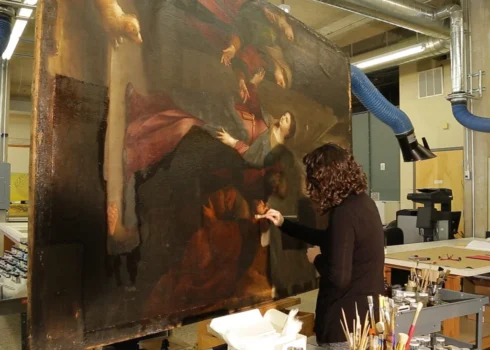
For antique paintings, restoration typically involves reintegration of losses to create visual coherence without falsifying the artwork. This might include carefully inpainting areas of missing paint using reversible materials that are distinguishable under close examination. The goal is not to deceive the viewer but to allow the painting to be read as a unified image. Ethical painting conservation ensures that any restoration does not obscure original work or misrepresent the artist’s intent.
What Conservators Use to Clean Paintings
Cleaning is one of the most delicate and controversial procedures in painting conservation. Over time, paintings accumulate surface dirt, soot, and degraded varnishes that alter their appearance. Professional conservators approach cleaning with extreme caution, guided by testing, analysis, and experience. There is no universal cleaning method; each painting requires a tailored approach based on its materials and condition.
In antique painting conservation, conservators use carefully formulated solutions and solvents to remove unwanted layers without affecting the original paint. These materials are selected after extensive spot testing to ensure safety and reversibility. The process is gradual and constantly monitored, reflecting the conservator’s responsibility to preserve original surfaces. Improper cleaning, often attempted by untrained individuals, is one of the most common causes of irreversible damage, underscoring the importance of professional painting conservation.
The Difference Between an Art Restorer and an Art Conservationist
The terms art restorer and art conservationist are often used interchangeably, but they represent different approaches and levels of training. An art conservationist, or conservator, is guided by formal education, scientific methodology, and professional ethics. Painting conservation under a conservationist emphasizes documentation, reversibility, and minimal intervention. Decisions are based on research and long-term preservation goals rather than immediate visual impact.
An art restorer, particularly one without conservation training, may focus primarily on aesthetic improvement. While some restorers are highly skilled, their work may involve irreversible materials or techniques that compromise the painting’s integrity. For antique paintings, this distinction is critical. Collectors seeking painting conservation should prioritize conservators who adhere to recognized professional standards, as inappropriate restoration can permanently diminish both historical value and market worth.
Ethical Considerations in Painting Conservation
Ethics form the backbone of professional painting conservation. Conservators operate under codes of practice that require transparency, accountability, and respect for the artwork and its history. Every treatment decision must be justifiable, documented, and communicated clearly to the owner. This ethical framework protects not only the painting but also the collector, ensuring that interventions are appropriate and defensible.
In antique painting conservation, ethical challenges often arise when balancing visual improvement with historical authenticity. Removing discolored varnish may dramatically change a painting’s appearance, revealing colors unseen for centuries. Conservators must weigh the benefits of such treatment against the risks and the painting’s historical context. Ethical painting conservation acknowledges that restraint is often as important as action.
Painting Conservation and Market Value
From a collector’s perspective, painting conservation has a direct impact on market value. Properly conserved paintings are more stable, more attractive, and more credible in terms of provenance and condition reporting. Auction houses, dealers, and insurers rely on conservation assessments to determine value and risk. Conversely, poorly executed restoration can raise red flags, reduce buyer confidence, and lead to disputes.
Antique painting conservation that adheres to professional standards tends to protect and, in some cases, enhance value by preserving original material and improving legibility. Collectors who invest in high-quality conservation demonstrate responsible ownership, which is increasingly recognized in the art market. Painting conservation thus serves both cultural and financial interests.
Long-Term Care and the Collector’s Responsibility
Ownership of an antique painting carries long-term responsibility. Painting conservation is not a one-time event but an ongoing process that includes monitoring condition, maintaining appropriate environments, and seeking professional advice when changes occur. Collectors should establish relationships with qualified conservators who can provide regular assessments and guidance.
By understanding the principles of painting conservation, collectors become informed partners in preservation. This knowledge empowers them to make decisions that align with best practices and ethical standards. In doing so, they contribute to the broader mission of conserving cultural heritage for future generations.
Painting Conservation as Stewardship
Painting conservation represents a commitment to stewardship rather than ownership alone. For antique paintings, this commitment is especially significant, as these works have already survived centuries of change. Through informed preventive care, ethical treatment, and collaboration with trained professionals, collectors play a vital role in extending the life of these artworks.
Ultimately, painting conservation is about respect: respect for the artist, for history, and for the materials that carry meaning across time. By embracing the principles of antique painting conservation, collectors ensure that these works continue to educate, inspire, and endure well beyond the present moment. image/ theconservationcenter