Antique Painting Frames: A Collector’s Guide to History, Identification, and Value
Why Antique Painting Frames Matter
Shopping Ads: Antique Oil Paintings On Canvas For Sale. Limited Originals Available 💰😊
Authentic hidden masterpieces, Explore old master antique oil paintings from the Renaissance and Baroque eras. From 15th-century to 18th-century Antique Paintings. Bring the Renaissance and Baroque in your home. Shop Now!
🎨 Antique Oil Paintings On Canvas Renaissance, Baroque Art Antique Oil Paintings, Make Offer 16th to 18th Century Portrait Paintings
Antique painting frames occupy a unique position at the intersection of fine art, decorative arts, and historical craftsmanship. While paintings often receive the majority of attention, frames were historically designed as integral components of the artwork, intended to enhance, protect, and contextualize the image within its cultural and architectural setting. For collectors, restorers, and art historians, antique painting frames offer insight into regional styles, period aesthetics, and traditional methods that have largely disappeared in modern manufacturing. Understanding whether old painting frames are valuable requires more than a cursory glance, as value is shaped by age, craftsmanship, materials, provenance, and condition. As interest in period interiors and authentic presentation grows, antique painting frames have gained renewed attention in the art market.
Are Old Painting Frames Valuable?
Old painting frames can be highly valuable, but their worth is rarely determined by age alone. Antique painting frames were handcrafted objects, often made by skilled artisans using labor-intensive techniques such as hand carving, water gilding, and layered gesso preparation. Frames from the seventeenth, eighteenth, and early nineteenth centuries were typically produced in workshops that served painters, collectors, and aristocratic patrons, making them luxury objects in their own right. When such frames survive intact, especially with original gilding and minimal alteration, they can command significant prices.
The value of antique painting frames is also influenced by stylistic desirability. Frames associated with prominent artistic movements, such as Baroque, Rococo, Neoclassical, or Renaissance Revival, tend to attract collectors seeking historically accurate settings for period paintings. Even when separated from their original artworks, these frames can be repurposed for other paintings of the same era, preserving aesthetic coherence. Additionally, frames with documented provenance or links to well-known collections often carry enhanced market appeal.
However, not all old frames are valuable. Mass-produced frames from the late nineteenth and early twentieth centuries, particularly those made with composition ornament rather than carved wood, may have limited monetary value despite their age. The distinction between genuinely antique painting frames and later decorative reproductions is therefore critical when assessing worth.
The Historical Role of Antique Painting Frames
To understand antique painting frames fully, it is necessary to recognize their original function within historical interiors. Frames were designed to complement both the artwork and the surrounding architecture, echoing moldings, paneling, and decorative motifs found in palaces, churches, and townhouses. In many periods, the frame was considered an extension of the painting rather than a separate accessory. Artists sometimes collaborated with framemakers, and in certain cases, painters even designed frames themselves.
During the Renaissance and Baroque periods, frames were often monumental and architectural, featuring columns, pediments, and elaborate ornamentation. These antique painting frames were intended to assert status and wealth, reinforcing the cultural importance of the artwork. By contrast, later periods such as Neoclassicism favored restrained elegance, with symmetrical designs and classical motifs. Each stylistic shift reflects broader changes in taste, making frames valuable historical documents as well as decorative objects.
How to Tell If a Picture Frame Is Antique
Determining whether a picture frame is genuinely antique requires careful observation and contextual knowledge. Antique painting frames typically show evidence of hand craftsmanship that is difficult to replicate convincingly in modern production. Subtle irregularities in carving, asymmetry in ornamentation, and variations in gilding thickness are often indicators of age. Machine-made frames tend to exhibit uniformity and repetition that betray their industrial origins.
Materials also play a crucial role in identification. Older frames were commonly constructed from hardwoods such as oak, walnut, or poplar, depending on regional availability. The presence of traditional gesso, made from animal glue and chalk, beneath the gilding is another sign of authenticity. Over time, this gesso develops fine cracking, known as craquelure, which differs from artificial distressing used on modern reproductions.
The back of the frame often provides valuable clues. Antique painting frames frequently show oxidation, wormholes, hand-cut joints, and old nail patterns that reflect pre-industrial construction methods. While wear alone does not guarantee authenticity, genuine age-related deterioration is typically inconsistent and organic, unlike the contrived aging seen on newer decorative frames.
How to Identify Antique Picture Frames with Confidence
Identifying antique picture frames involves synthesizing visual analysis with historical knowledge. Style is one of the most reliable indicators, as each era favored distinct profiles, motifs, and proportions. For example, frames from the Louis XV period are characterized by flowing curves and asymmetrical ornament, while Victorian frames often feature bold, heavy profiles with repetitive decorative elements.
Patina is another critical factor. Antique painting frames develop surface depth over decades or centuries, resulting from oxidation, handling, and environmental exposure. This patina cannot be convincingly imitated without time. Original gilding, even when worn, typically shows nuanced tonal variation rather than flat, uniform color.
Contextual alignment between the frame and any associated artwork also matters. A frame that stylistically and materially corresponds to the painting’s period increases the likelihood that it is antique or at least historically appropriate. Conversely, a modern frame paired with an old painting may signal later intervention.
What Is a Florentine Frame?
A Florentine frame is a distinctive type of antique painting frame originating in Florence, Italy, and associated primarily with Renaissance and early Baroque art. These frames are renowned for their refined craftsmanship, harmonious proportions, and richly decorated surfaces. Traditionally, Florentine frames were made from carved wood and finished with water gilding, often enhanced with punched or incised patterns that catch and reflect light.
The defining characteristic of a Florentine frame lies in its balance between ornamentation and restraint. While decorative, these frames do not overwhelm the artwork. Instead, they create a luminous boundary that enhances the painting’s presence. Motifs such as acanthus leaves, egg-and-dart moldings, and classical scrolls are commonly found, reflecting the humanist ideals of Renaissance Florence.
Today, authentic Florentine frames are highly sought after by collectors and museums. Their value is influenced by age, condition, and the quality of carving and gilding. Reproductions exist, but original antique painting frames from Florence are distinguished by their subtle wear, traditional materials, and unmistakable hand craftsmanship.
The Market Value of Antique Painting Frames Today
The market for antique painting frames has evolved significantly over the past few decades. As collectors become more knowledgeable and discerning, demand has shifted toward frames with clear historical identity and original surfaces. High-quality antique painting frames can range from modest sums for simpler nineteenth-century examples to substantial prices for earlier or more elaborate pieces.
Frames associated with Italian, French, or Spanish origins often command higher values due to their craftsmanship and historical prestige. However, condition remains paramount. Frames that have been heavily restored, regilded, or structurally altered may lose value despite their age. Collectors increasingly prioritize authenticity over cosmetic perfection.
Another factor influencing value is compatibility with contemporary art collecting practices. Many collectors seek antique painting frames to house modern or abstract works, creating visual contrast. While this trend has expanded the market, it also places pressure on supply, as truly antique frames are finite resources.
How Much Does It Cost to Get an Oil Painting Framed?
The cost of framing an oil painting varies widely depending on materials, craftsmanship, and design complexity. When considering antique painting frames, costs can be significantly higher than standard framing services due to the scarcity and value of original pieces. Acquiring an authentic antique frame may involve purchasing from specialized dealers or auctions, where prices reflect historical significance and condition.
For those opting for custom framing inspired by antique styles, expenses include skilled labor, hand carving, and traditional gilding techniques. Such work is time-intensive and requires expertise, which is reflected in pricing. While modern frames can be produced relatively inexpensively, high-quality frames that emulate antique painting frames are investments in both aesthetics and longevity.
It is also important to factor in conservation considerations. Oil paintings, particularly older ones, require frames that provide structural support and appropriate spacing to protect the artwork. Professional framers experienced in fine art handling can advise on suitable solutions, balancing cost with preservation needs.
Collecting Antique Painting Frames as Standalone Objects
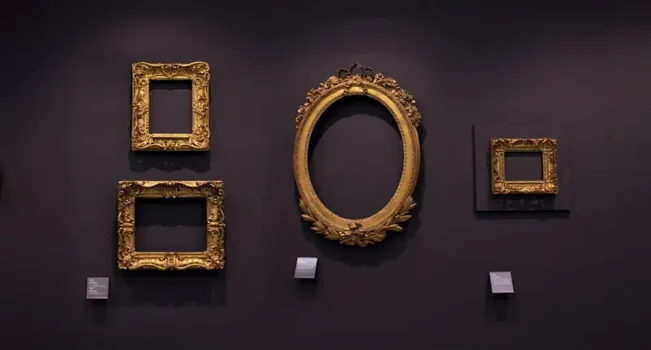
Increasingly, antique painting frames are collected as independent decorative and historical artifacts. Their sculptural qualities and surface richness make them appealing even without artwork. Some collectors display frames empty, appreciating them as examples of traditional craftsmanship. Others rotate artworks within their frames, adapting them to different settings.
This approach underscores the recognition of frames as art objects in their own right. Museums and galleries have also begun to exhibit antique painting frames separately, highlighting their role in art history. Such recognition further reinforces their value and cultural importance.
Preservation and Care of Antique Painting Frames
Proper care is essential to maintaining the value and integrity of antique painting frames. Environmental stability is crucial, as fluctuations in temperature and humidity can cause wood movement, cracking, and gilding loss. Gentle cleaning by professionals familiar with historic finishes is recommended, as inappropriate methods can irreversibly damage original surfaces.
Collectors should approach restoration cautiously. While structural repairs may be necessary, excessive regilding or refinishing can diminish authenticity. Conservation best practices emphasize minimal intervention, preserving as much original material as possible.
The Enduring Appeal of Antique Painting Frames
Antique painting frames represent a convergence of artistry, history, and craftsmanship that transcends their functional role. Whether evaluated for monetary value, historical significance, or aesthetic appeal, these frames offer depth and character unmatched by modern alternatives. Understanding how to tell if a picture frame is antique, how to identify antique picture frames accurately, and what distinguishes styles such as the Florentine frame empowers collectors to make informed decisions.
As interest in authenticity and heritage continues to grow, antique painting frames are likely to remain desirable objects within the art world. Their ability to connect contemporary viewers with centuries of artistic tradition ensures their relevance, making them not only valuable collectibles but enduring symbols of cultural continuity.