Art Tourism: A Global Journey Where Masterpieces Shape the Modern Traveler
Art collectors understand better than anyone that great art is not merely an object, it is an experience. It is a window into a world shaped by imagination, struggle, triumph, and human ingenuity. And long before the modern museum, people traveled great distances to encounter beauty, craftsmanship, and sacred imagery that existed nowhere else. Today, that instinct has evolved into a global movement known as art tourism, a realm where travelers cross borders not for beaches or nightlife, but to stand face-to-face with masterpieces that define civilizations.
Art tourism is not simply an industry category. It is a form of pilgrimage. It is a journey of curiosity and reverence, fueled by a desire to witness the irreplaceable. For collectors, it is also one of the most powerful ways to refine taste, discover new artists, evaluate historical pieces, and deepen an understanding of artistic heritage. It is no surprise that some of the world’s most influential collectors, whether building private museums or shaping major auction trends, attribute their vision to the experiences they gained through travel.
This guide explores not only what art tourism is, but also how it functions, how vast its global economy has become, and why art itself has become a central driver of international travel.
What Is the Meaning of Art Tourism? A Cultural Journey Beyond Spectatorship
Art tourism refers to travel motivated primarily by the desire to experience art in all its forms, paintings, monuments, sculpture, architecture, historical artifacts, festivals, and contemporary installations. However, to reduce art tourism to a simple definition misses its deeper purpose.
At its core, art tourism is the pursuit of cultural immersion. It is a travel experience built around the exploration of a region’s creative identity, its artistic legacy, and the visual stories that shape its history. This makes art tourism fundamentally different from casual sightseeing. Instead of ticking off attractions, the art tourist seeks understanding, context, meaning, authorship, evolution, and the emotional or spiritual presence of the art itself.
An art tourist does not merely visit a museum. They read the brushstroke. They recognize the dialogue between eras. They understand why a Renaissance painting could only have been born in Florence, why Dutch Golden Age realism flourished in Amsterdam, or why Gaudí’s impossible architecture rises from the heart of Barcelona rather than any other city on earth.
Art tourism is:
A form of cultural learning that connects the traveler to the heritage of a place through its artistic expressions.
A sensory and intellectual journey that blends history, aesthetics, and lived experience.
A deeper way of interpreting a location, where the city becomes a museum, the streets become galleries, and the traveler becomes a participant in cultural storytelling.
For the art collector, art tourism plays an even more significant role: it expands the repertoire of influences, sharpens connoisseurship, and exposes the collector to artworks that cannot be understood through reproduction or digital format alone.
An Example of Art Tourism: A Collector’s Journey to Florence
Florence offers one of the clearest examples of what art tourism truly looks like. Every year, millions of visitors arrive not for beaches or nightlife, but to immerse themselves in the city that birthed the Renaissance. The art tourist who steps into Florence experiences a living museum, where some of history’s greatest minds, Michelangelo, Botticelli, Leonardo, Donatello, Brunelleschi, left monuments that still shape the world.
A collector traveling through Florence may begin at the Uffizi Gallery, standing before Botticelli’s Primavera or The Birth of Venus, experiencing firsthand the ethereal softness and allegorical complexity that no printed image can capture. They walk through halls where Medici commissions still breathe and where every corridor offers a lesson in artistic patronage, power, and innovation.
From the Uffizi, the traveler moves to the Galleria dell’Accademia, where Michelangelo’s David stands not as a photograph or textbook icon but as a towering, living presence, carved with such precision that the marble appears to pulse with human potential.
But the experience does not end with museums. Art tourism in Florence extends to walking the city streets, where medieval stone arches give way to Renaissance palaces, where every façade reveals a chapter in the city’s artistic evolution, and where the Ponte Vecchio still hosts goldsmiths in a tradition dating back centuries.
In this single destination, the art tourist sees why art tourism is not passive observation. It is immersion, education, transformation, a way of traveling that changes the mind and informs the collector’s perception of beauty and history.
How Big Is the Art Tourism Market? A Global Powerhouse in Cultural Travel
The art tourism market is enormous, far larger than most travelers or even collectors realize. Cultural and art-centered travel consistently ranks among the most lucrative and rapidly expanding segments of global tourism. While exact figures shift each year, international cultural tourism is estimated to account for hundreds of billions of dollars annually, with art-focused travel representing one of its strongest categories.
The reason for this size lies in the nature of art itself. Unlike seasonal attractions, artistic heritage does not fade with trends. Masterpieces do not “go out of style.” A city with a world-class museum or historic architectural district maintains its cultural magnetism for centuries. This gives art tourism exceptional longevity and stability.
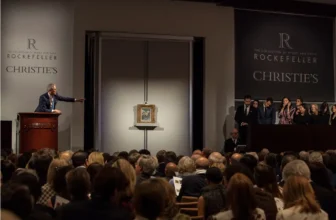
Cities such as Paris, New York, London, Florence, Rome, Madrid, Amsterdam, Vienna, and Tokyo generate enormous economic impact through their museums, cultural districts, artist neighborhoods, festivals, art fairs, architectural landmarks, and creative industries. Paris alone receives tens of millions of art-motivated visitors a year, with the Louvre ranking as the most visited museum on earth. International art fairs such as Art Basel, whether in Basel, Miami Beach, or Hong Kong, attract elite collectors whose travel spending extends beyond the fair itself, into hotels, local galleries, restaurants, and cultural events.
But the art tourism market is not centralized in Western capitals. Travelers journey to Mexico City for Frida Kahlo’s Casa Azul; to Kyoto for Zen gardens, temple art, and traditional craft; to Abu Dhabi and Qatar for rapidly expanding museum districts and contemporary architecture; to Lagos for Africa’s rising art scene; and to Istanbul for the fusion of Byzantine, Ottoman, and modern artistic traditions.
These flows represent more than tourism; they represent cultural diplomacy, global exchange, and the growing influence of art as a universal attractor.
Why Is Art Important in Tourism? The Deep Cultural Forces Behind Travel
Art is one of the most powerful elements in tourism because it embodies identity. It reveals what a culture values, what it remembers, and what it seeks to express. Visitors do not travel across continents merely to observe an object; they travel to encounter meaning.
Art shapes tourism for several essential reasons:
Art Makes Places Distinct
Many cities would be indistinguishable from one another if not for their artistic heritage. Art gives each destination its own personality:
Barcelona becomes inseparable from Gaudí’s dreamlike architecture.
Florence cannot be separated from Renaissance humanism.
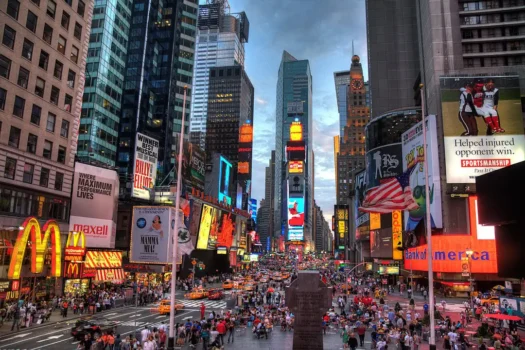
New York carries the energy of modernism, abstract expressionism, street art, and contemporary giants.
Venice is defined by its palaces, canals, Tintorettos, and golden Byzantine mosaics.
Without art, these cities lose their soul.
Art Creates Enduring Landmarks
Tourism depends on attractions, and the most visited attractions in the world are often artistic or architectural in nature. The Louvre, the Vatican Museums, the Metropolitan Museum of Art, the British Museum, and the Prado receive more visitors annually than most natural landmarks. Even modern installations such as Yayoi Kusama’s immersive rooms or Olafur Eliasson’s monumental works draw global audiences.
Art Preserves Cultural Memory
Tourists seek authenticity, stories, traditions, and historical narratives that anchor them to the past. Art encapsulates this memory. It becomes a time capsule that allows travelers to witness epochs long gone.
Art Inspires Emotion and Reflection
Unlike other forms of tourism, art provides inner transformation. A magnificent painting or sculpture does not simply entertain; it moves, challenges, or awakens something in the viewer. This emotional impact creates lasting travel memories.
Art Generates Economic and Cultural Renaissance
Cities that invest in art, through museums, public sculptures, creative districts, and festivals, attract visitors, raise global prestige, stimulate local industries, and create urban revitalization. Bilbao’s modern rebirth, driven by the Guggenheim Museum, is one of the most famous examples of art tourism transforming an entire region.
For Collectors, Art Tourism Shapes Taste
Art collectors often describe travel as their greatest teacher. By seeing firsthand the works of Old Masters, contemporary innovators, emerging regional artists, or monumental architectural achievements, they sharpen intuition, deepen knowledge, refine their aesthetic preferences, and recognize the nuances that distinguish greatness from mediocrity. Art tourism becomes a lifelong education.
The Story of a Collector Who Discovered New Meaning Through Art Tourism
Imagine an art collector named Lucia, a woman with a modest but growing collection of European and Asian works. She had always appreciated art, but it was travel that transformed her into a true connoisseur. Her journey began in Venice during the Biennale, where she was captivated not only by the exhibitions but by the city’s palaces reflected in the water, each façade revealing centuries of artistic patronage. Later, in Japan, she discovered the quiet elegance of Edo-period prints, inspiring her to acquire her first Japanese woodblock.
From Mexico City, she brought back a fascination with muralism; from Paris, a love for Impressionist light; from New York, an understanding of bold contemporary forms; from Naples, a respect for archaeological heritage and classical sculpture. Each trip did not simply add to her collection, it elevated her ability to see. Art tourism gave her eyes new vocabulary.
Lucia’s story mirrors that of thousands of collectors around the world. Travel becomes a catalyst for curiosity, a bridge between the ancient and the modern, the traditional and the experimental. Art tourism expands the collector’s universe.
The Future of Art Tourism: A Global Renaissance
Art tourism is entering a new era. Museums are expanding; countries are using art to signal cultural power; international art fairs are multiplying; cities are investing in monumental architecture and creative districts; and travelers increasingly seek deeper, more meaningful cultural experiences rather than superficial visits.
Digital technology and global connectivity have made art more accessible, yet they have also increased the desire to witness the real thing, to stand before the authentic masterpiece rather than its digital reproduction. This creates a paradox where virtual exposure drives physical travel.
The growth of private museums, many created by collectors, is also expanding the geography of art tourism. What was once concentrated in a few capitals is now dispersed worldwide, from Doha to Shanghai to Cape Town.
Art tourism is no longer a niche. It is one of the world’s cultural engines.
Art Tourism as a Lifelong Journey for Collectors
To understand art tourism is to understand the relationship between human curiosity and human creativity. It is the journey of the mind, the eye, and the spirit. It connects the traveler to civilizations, bridges continents through visual language, and reveals how deeply art shapes identity.
For art collectors, art tourism is not merely an enjoyable pastime. It is an essential education, a guidebook written by the world’s greatest artists, architects, and cultural storytellers. It shapes taste, informs acquisitions, and fuels a lifelong dialogue with beauty.
Art tourism is, and will remain, one of the most powerful forces in global travel, a movement driven by the timeless desire to stand before a masterpiece and feel, if only for a moment, the vastness of human imagination.