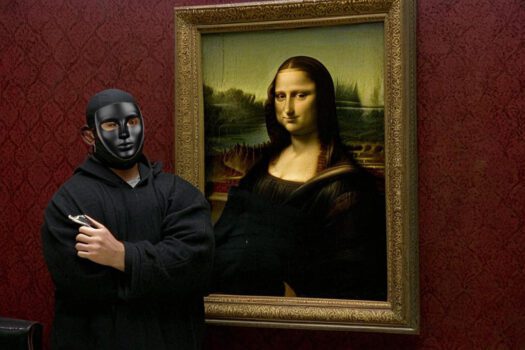
How many times the Mona Lisa was stolen
The Mona Lisa, arguably the most famous painting in the world, has been a source of fascination, admiration, and intrigue for centuries. Painted by Leonardo da Vinci during the Italian Renaissance, it now resides in the Louvre Museum in Paris. Beyond its artistic mastery and enigmatic allure, the Mona Lisa has also been the center of dramatic episodes of theft and vandalism, elevating its mystique even further. Surprisingly, the painting has been stolen only once, though this singular event has had lasting implications for its fame and cultural significance. This article delves into the theft of the Mona Lisa, the reasons behind it, and the lasting impact of this audacious crime.
The Theft of the Mona Lisa
The Mona Lisa was stolen from the Louvre on August 21, 1911, in an event that shocked the art world and captured global attention. The painting’s disappearance was discovered on a Monday morning when the museum was closed for cleaning and maintenance. Initially, workers assumed it had been temporarily removed for photography or restoration. However, when the painting failed to reappear, panic ensued.
The perpetrator of this audacious crime was Vincenzo Peruggia, an Italian handyman who had previously worked at the Louvre. Peruggia had disguised himself as a museum employee, donning a white smock commonly worn by staff. On the fateful day, he hid inside the museum overnight and emerged in the early hours of the morning to carry out the heist. Peruggia removed the painting from its protective case and wooden frame, concealed it under his clothing, and walked out of the museum with it.
Peruggia’s motivation for stealing the Mona Lisa was rooted in a mix of nationalism and personal ambition. He believed the painting belonged in Italy, Leonardo da Vinci’s homeland, rather than France. Da Vinci had taken the painting to France in the early 16th century when he was invited to the French court by King Francis I, who later purchased it. Peruggia saw himself as a patriot seeking to right a historical wrong by returning the artwork to Italy. Additionally, he may have been enticed by the potential financial rewards or the thrill of possessing a masterpiece of such renown.
The Mastermind Behind the Heist
Vincenzo Peruggia, an Italian handyman and former Louvre employee, was the man behind the daring heist. Born in Dumenza, Italy, in 1881, Peruggia had worked at the museum and had intimate knowledge of its layout and security measures. His motivations were rooted in a mix of patriotism and personal gain, he believed the Mona Lisa belonged in Italy and should not be housed in France.
Peruggia had hatched his plan carefully, using his insider knowledge to exploit the museum’s security lapses. At the time, the Louvre was not the heavily guarded fortress it is today. Security was relatively lax, and paintings, including the Mona Lisa, were not encased in protective glass. Peruggia knew that if he timed his actions well, he could escape unnoticed with the masterpiece in tow.
The Theft: How Peruggia Pulled It Off
On the morning of the theft, Peruggia disguised himself as a Louvre employee by wearing a white smock similar to those worn by museum staff. He arrived early and blended in with the other workers. Knowing that the museum was closed to the public on Mondays, he seized the opportunity to act while the halls were relatively empty.
He hid inside the museum overnight and emerged in the morning when fewer staff were present. Making his way to the Salon Carré, where the Mona Lisa was displayed, he removed the painting from the wall and took it to a secluded service staircase. There, he skillfully removed it from its frame and concealed it under his smock.
Peruggia then calmly walked out of the museum, past the unsuspecting guards, and onto the streets of Paris, carrying the world’s most famous painting. It was a daring escape, so audacious that no one suspected him. By the time the Louvre staff realized the Mona Lisa was missing, Peruggia had disappeared into the city.
The Aftermath of the Theft
The theft of the Mona Lisa created an international uproar. The Louvre closed for an entire week as investigators searched for clues. French authorities launched an exhaustive investigation, questioning and detaining numerous individuals, including renowned artists such as Pablo Picasso and the poet Guillaume Apollinaire, both of whom were later exonerated. Despite their efforts, the painting remained missing for over two years, fueling widespread speculation and conspiracy theories.
During this period, the Mona Lisa’s fame soared. Newspapers around the world reported extensively on the heist, turning the painting into a household name. Previously, the Mona Lisa was admired primarily within art circles, but the sensationalism surrounding its theft transformed it into a global icon.
The Recovery of the Mona Lisa
In 1913, more than two years after the theft, the Mona Lisa was recovered in Florence, Italy. Vincenzo Peruggia had kept the painting hidden in a trunk in his apartment. He eventually attempted to sell it to Alfredo Geri, an art dealer in Florence, claiming he was acting on behalf of Italian patriots. Geri, suspicious of the painting’s authenticity and origin, contacted the authorities. The police apprehended Peruggia, and the Mona Lisa was returned to the Louvre, where it remains to this day.
Peruggia’s trial was a spectacle in itself, drawing widespread attention. While he was found guilty of theft, his motives earned him some degree of sympathy, particularly in Italy. He was sentenced to a relatively lenient prison term of one year and 15 days, and his act was seen by some as a misguided expression of patriotism.
Reasons Behind Art Theft
The theft of the Mona Lisa highlights several key motivations that drive individuals to steal artwork, particularly masterpieces of such renown:
1. Nationalism
Peruggia’s theft was driven largely by his belief that the Mona Lisa rightfully belonged to Italy. Nationalistic sentiments often play a role in art thefts, especially when the artwork in question has a contentious history. Art can be a powerful symbol of cultural identity and heritage, and disputes over ownership can evoke strong emotions.
2. Financial Gain
While Peruggia’s primary motive was patriotic, many art thefts are financially motivated. Stolen masterpieces can fetch astronomical sums on the black market. However, such transactions are fraught with risks, as high-profile works are difficult to sell without arousing suspicion.
3. Infamy and Prestige
Some art thieves are motivated by the desire for infamy or the thrill of possessing an iconic piece, even if only temporarily. The sheer audacity of stealing a world-famous painting like the Mona Lisa can be an end in itself for certain individuals.
4. Political Statements
In some cases, art thefts or acts of vandalism are intended as political statements or protests. While this was not the case with the Mona Lisa, other famous incidents in art history have involved politically motivated actions.
Peruggia’s Trial and Legacy
Peruggia’s trial took place in Italy, where he claimed that he had acted alone and had no criminal intentions. He insisted he merely wanted to return the Mona Lisa to its homeland. The court showed some leniency, and he was sentenced to just over a year in prison, though he served only a few months.
His actions, albeit illegal, contributed to the painting’s skyrocketing fame. Before the theft, the Mona Lisa was undoubtedly admired, but its disappearance turned it into a cultural phenomenon. Today, it is the most visited and recognized painting in the world, largely due to the intrigue surrounding its theft.
The theft and recovery of the Mona Lisa remain one of the most fascinating chapters in art history. Vincenzo Peruggia’s bold heist and the global hysteria that followed ensured that the painting’s legend only grew stronger. More than a century later, the story continues to captivate historians, art lovers, and mystery enthusiasts alike. The Mona Lisa now rests securely behind bulletproof glass in the Louvre, where millions visit each year, forever marked by the audacity of one man’s plan to steal the world’s most famous smile.
The Legacy of the Theft
The theft of the Mona Lisa had far-reaching consequences for the painting’s legacy and the art world at large. Before the heist, the Mona Lisa was highly regarded among art enthusiasts but not universally recognized. The publicity surrounding its theft catapulted it to unprecedented fame, transforming it into an icon of popular culture.
The painting’s recovery further cemented its status as a symbol of resilience and cultural significance. Today, millions of visitors flock to the Louvre each year to catch a glimpse of the Mona Lisa, often braving long lines and crowded galleries for the opportunity. The painting’s fame is due as much to its artistic merit as to the drama and intrigue surrounding its theft.
Attempts of Vandalism
While the Mona Lisa has only been stolen once, it has been the target of several acts of vandalism over the years. These incidents highlight the risks faced by iconic artworks, which often become targets for those seeking attention or attempting to make a statement.
For example, in 1956, a Bolivian man threw a rock at the painting, damaging the protective glass and causing a small chip in the paint near the subject’s left elbow. In 1974, while the painting was on display in Tokyo, a woman attempted to spray it with red paint as a form of protest. More recently, in 2022, a man disguised as an elderly woman smeared cake on the painting’s glass cover in an apparent environmental protest. These incidents underscore the need for robust security measures to protect priceless artworks.
The Mona Lisa has only been stolen once, but that singular event in 1911 has left an indelible mark on its history and mystique. Vincenzo Peruggia’s audacious heist not only elevated the painting’s fame but also highlighted the complex motivations behind art theft. Whether driven by nationalism, financial gain, or personal ambition, such crimes underscore the enduring power of art to captivate and provoke.
All Mona Lisa Painting Vandalism
- August 1911 Theft
The first time the Mona Lisa was stolen was in 1911. On August 21, an Italian man named Vincenzo Peruggia stole the painting from the Louvre Museum in Paris. Peruggia had worked as a handyman at the museum and was familiar with the building’s layout. He hid in a closet until the museum closed, then removed the painting from the wall, took it to a nearby staircase, and removed it from its frame. Peruggia kept the painting hidden in his apartment for two years, hoping to sell it back to the Italian government as a patriotic act. However, in 1913, he was caught trying to sell the painting to an art dealer and was arrested. The Mona Lisa was recovered and returned to the Louvre.
- December 1962 Vandalism
In December 1962, a Bolivian man named Ugo Ungaza Villegas damaged the painting with a rock. Villegas was caught and sentenced to six months in prison for his crime. Fortunately, the damage was not significant, and the painting was restored without any lasting effects.
- August 2009 Attack
In August 2009, a Russian woman named Marisa Dragomiroiu attacked the Mona Lisa with a ceramic teacup, breaking a small piece of glass in the painting’s protective case. Dragomiroiu was detained by museum guards and arrested by the police. The painting was again restored without any lasting damage.
Why the Mona Lisa Has a Bulletproof Glass Case
In response to these repeated threats, the Louvre Museum installed a bulletproof glass case around the Mona Lisa. This decision was not made lightly; it was a necessary precaution to preserve the painting for future generations.
Protection from Physical Attacks
The primary function of the bulletproof glass is to shield the Mona Lisa from physical harm. Whether from an act of vandalism, an attempted theft, or even an accidental impact, the glass ensures that the painting remains untouched. The thickness and strength of the glass are designed to withstand bullets, sharp objects, and forceful impacts.
Climate Control and Preservation
Beyond physical security, the glass case plays a crucial role in preserving the artwork. The Mona Lisa is over 500 years old, and like all paintings, it is sensitive to environmental conditions. The glass enclosure maintains a carefully controlled climate, regulating temperature and humidity to prevent deterioration. This ensures that the delicate oil paint and wooden panel remain in optimal condition.
Psychological Deterrent
Having a bulletproof glass case also serves as a deterrent. Potential vandals or thieves are less likely to attempt an attack knowing that the artwork is virtually inaccessible. The security presence around the painting, combined with the protective case, reduces the likelihood of future incidents.
The Modern Viewing Experience
While the glass case ensures the safety of the Mona Lisa, it has also changed the way visitors experience the painting. The glass reflects light, which can sometimes make it challenging to view the details of the artwork up close. Additionally, due to its immense popularity, large crowds gather around the painting daily, making it difficult for visitors to spend extended time admiring it.
To further enhance security, the painting is displayed on a specially reinforced wall, with security personnel stationed nearby. Surveillance cameras and alarm systems provide additional layers of protection, ensuring that any suspicious activity is immediately addressed.
The Mona Lisa remains one of the most famous paintings in the world, and these theft incidents have only added to its mystique and intrigue. Today, the painting is well-protected in the Louvre Museum, with layers of security measures in place to prevent any further attempts at theft or damage.
The Mona Lisa has had a tumultuous history with regards to theft, vandalism, and attack incidents. These incidents serve as a reminder of the need to preserve and protect valuable works of art for future generations to appreciate and enjoy. While the painting remains a tempting target for thieves, the world’s museums must continue to take the necessary steps to safeguard their priceless collections.
Today, the Mona Lisa remains securely housed in the Louvre, protected by state-of-the-art security systems and a climate-controlled display case. Its theft serves as a reminder of the vulnerabilities faced by cultural treasures and the lengths to which people will go to possess or reclaim them. Above all, the story of the Mona Lisa’s theft is a testament to the enduring allure of this masterpiece, which continues to inspire wonder and intrigue over 500 years after its creation.