Old Masters for New Collectors: A Guide to Collecting Historic
Starting an Old Master art collection is one of the most rewarding journeys a collector can take. Unlike modern or contemporary art, where trends shift quickly and popularity can rise or fall with cultural moods, Old Masters offer a profound sense of permanence. These works have survived centuries of changing tastes, wars, restorations and rediscoveries, carrying within them the history of Europe’s artistic tradition. Beginning a private collection in this field does not require aristocratic wealth nor a museum-sized budget. What it does require is curiosity, patience, due diligence and an understanding of how the Old Master market actually works beneath the glamorous façade of auction rooms and gallery walls.
This guide walks you through how to start collecting Old Master paintings, how much money you realistically need, what opportunities and pitfalls you will encounter, and what benefits such a collection can bring beyond financial considerations. Old Master collecting is not simply a matter of acquisition; it is a lifelong dialogue with history, technique, restoration, attribution and taste. When approached thoughtfully, it becomes a deeply enriching pursuit, one that can begin at many different budget levels.
Why Collect Old Masters Today?
The market for Old Masters has changed dramatically in the last thirty years. While blockbuster names such as Rembrandt, Caravaggio or Velázquez still attract enormous prices, works by lesser-known yet historically significant painters remain accessible to new collectors. A remarkable aspect of this field is the range of opportunities: paintings by studio assistants, followers, copyists or minor regional masters can often be purchased for the price of a contemporary print or a mid-range design item. Meanwhile, pictures of museum quality still circulate through auctions and private sales, waiting for collectors with both financial resources and the will to pursue them.
Old Masters offer a depth of craftsmanship that continues to inspire collectors who are tired of speculative trends or the sometimes-temporary prestige of the contemporary art scene. These works reward slow looking. They are rooted in anatomical study, symbolic language, compositional geometry and centuries-old workshop traditions. Because of their age, they also invite collectors to become scholars: to understand provenance, attribution changes, restoration history and the quirks of historical condition.
The cultural weight of owning a 400-year-old painting is unlike owning almost anything else. Each work carries layers of meaning, from the patron who commissioned it to the restorer who saved it centuries later. For collectors who value continuity, craftsmanship, and intellectual engagement, the Old Masters offer a domain unmatched in the art world.
How Much Money Do You Really Need to Start an Old Master Collection?
Many believe that Old Master collecting is reserved for millionaires, but the truth is far more nuanced. The field is broad enough to accommodate collectors at many entry levels, provided expectations are realistic.
A new collector can begin with a modest budget. Paintings by minor 17th- or 18th-century hands, unattributed workshop pieces or charming regional works of the Italian, Flemish or Dutch schools often appear at auction for a few thousand euros or less. These paintings may not be by the masters themselves, but they often carry significant historical and decorative appeal. Even works with partial attributions, phrases such as “circle of,” “school of,” or “follower of”, can provide immense pleasure while offering good value.
A collector with €10,000 to €50,000 per year to invest can move into more ambitious territory: authenticated works by respected but not world-famous painters, strong portraits, well-executed devotional scenes, or landscapes by artists whose reputations have remained stable. At this level, many collectors assemble cohesive collections that rival those of small institutions.
At the highest tier, collectors with budgets exceeding hundreds of thousands or millions can compete for museum-level works: autograph paintings by major names, rediscoveries from important schools, and masterpieces with illustrious provenance. However, even these collectors may spend years searching for the right opportunity, because the market for truly great Old Master works is far more limited in supply than the contemporary sector.
The essential point is that starting an Old Master collection does not require extraordinary wealth. It requires education, mentorship when possible, and the patience to buy carefully rather than impulsively.
Understanding the Old Master Market Before You Buy
Unlike the contemporary art world, where authentication is straightforward, Old Master paintings come with layers of complexity. A single work may have passed through dozens of hands over hundreds of years, undergone multiple restorations, or been attributed to different artists during its lifetime. Learning to interpret auction cataloguing terms is essential. A painting described as “by the artist” suggests scholarly consensus; “attributed to” indicates a strong but not definitive opinion; “circle of” implies a work made in the environment of the artist; and “follower of” or “school of” marks it as later or derivative.
Condition is another crucial factor. Old paintings often show craquelure, areas of repaint, varnish discoloration or minor losses. These issues are acceptable when properly handled and disclosed, but major overpainting or structural problems should make a new collector cautious. Working with a trusted conservator or restorer to assess condition can be one of the most valuable investments a collector ever makes.
Provenance research also plays a central role in determining value. A painting with a chain of ownership dating back centuries carries an assurance of authenticity and importance. Provenance gaps do not automatically reduce value, but they do require careful analysis. Museums and major auction houses maintain excellent archives, and collectors today are fortunate to have many digital resources to assist them.
Where to Buy: Auctions, Dealers and Private Sales
Each route to acquisition offers its own experience. Auctions provide excitement, transparency and the chance to discover under-researched works. Many collectors love the thrill of bidding and the opportunity to purchase paintings at competitive prices when interest is low. However, auctions require discipline: it is easy to become swept up in the moment and bid beyond a painting’s true value or beyond one’s comfort zone.
Dealers offer expertise and curation. A reputable dealer carefully vets the works they sell, often provides deep scholarly context, and can guide collectors throughout the process. Buying from a dealer typically costs more than buying at auction, but the assurance and mentorship can be invaluable, especially for beginners.
Private sales often occur between collectors or through specialist intermediaries. These transactions allow for discreet negotiations and access to works not publicly listed. For collectors with specific goals, such as focusing on a single artist or building a museum-quality collection, private sales sometimes reveal opportunities unavailable elsewhere.
Whichever path you pursue, relationships matter. Over time, a collector builds rapport with dealers, auction specialists, restorers and scholars, creating a network that helps them spot opportunities, avoid risks and nurture their evolving taste.
Advantages of Collecting Old Masters
Collecting Old Masters offers profound rewards that go far beyond investment potential. The first advantage is the sense of historical connection. To live with a painting that predates your ancestors by centuries is to live alongside a piece of cultural memory. These works embody the worlds that produced them: the courts of Renaissance Italy, the merchant households of the Dutch Republic, the monastic studios of medieval Europe.
A second advantage is the depth and richness of the field. Even lifelong collectors continue to learn. Each painting invites research: its pigments, its iconography, its journey across borders and centuries. Collecting Old Masters transforms one into a historian, a detective, and a custodian of cultural heritage.
The third advantage is the relative stability of the market. While contemporary art can be volatile, Old Masters have long histories of pricing patterns that reflect scholarly reputation rather than passing trends. This stability appeals to collectors who prefer long-term cultural and financial continuity.
Finally, the aesthetic pleasure and intellectual satisfaction of living with Old Masters are unmatched. They provide a daily reminder of the human capacity for beauty, craftsmanship and storytelling. Many collectors describe the experience as transformative.
Disadvantages and Challenges to Consider
Collecting Old Masters also comes with challenges. The first is complexity. Authentication issues can be subtle, requiring a level of connoisseurship that takes time to develop. Even experienced collectors make mistakes if they rush.
Another challenge is conservation. Old paintings need proper climate control, careful handling and occasional professional intervention. A collector must be prepared for the responsibilities that come with preservation.
The market is also relatively illiquid compared to contemporary art. While masterpieces sell easily, more modest works may take longer to find buyers. Collectors should buy for passion rather than quick resale.
Finally, Old Masters can be intimidating to new collectors. The cataloguing language, the scholarly debates, and the historical terminology sometimes make the field feel inaccessible. But with patience, mentorship and study, these barriers gradually disappear.
Building a Focused Collection
An Old Master collection becomes most compelling when it reflects a coherent vision. Some collectors focus on a particular school, such as the Dutch Golden Age or the Italian Baroque. Others build collections around themes: portraits of women, devotional panels, maritime scenes, mythological subjects, or early landscapes. A focused collection not only sharpens the collector’s eye but also makes the collection more meaningful and valuable over time.
Establishing focus does not mean limiting enjoyment. It simply provides a lens through which the collector can make decisions. Over time, the collection becomes a personal museum, shaped by taste, scholarship and curiosity.
The Emotional and Intellectual Journey of Collecting
The joy of collecting Old Masters lies in the journey as much as the acquisitions. Each painting represents a moment of discovery. Perhaps it is found at a regional auction, disguised under yellow varnish. Perhaps it appears unexpectedly in a dealer’s back room. Perhaps it is bought not because it is famous, but because it speaks to the collector in a deeply personal way.
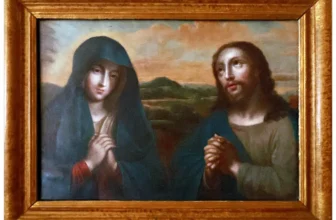
Collectors often describe a painting’s presence in their home as something alive. The work becomes part of their daily routine: a morning glance at a small devotional panel, an evening reflection on a Dutch still life glowing in warm lamplight. The painting becomes a companion, a teacher, a guardian of memory.
Over time, collectors find themselves researching artists at night, visiting museums with renewed fascination, attending lectures, reading catalogues and forming friendships with fellow enthusiasts. The collection becomes more than objects; it becomes a journey into the shared heritage of European art.
Beginning Your Old Master Collection
Starting an Old Master art collection is not about wealth alone. It is about intention, curiosity and the belief that art carries meaning across centuries. Whether you begin with a modest work by an anonymous hand or aim for paintings by major masters, the path is the same: study the field, build relationships, seek guidance when needed, and buy slowly.
Old Master collecting rewards those who approach it with thoughtfulness. It teaches patience, cultivates taste and provides a connection to the past that few other pursuits can offer. A private collection, even a small one, becomes a legacy, a testament to a collector’s passion for beauty, history and the enduring spirit of human creativity.
If you begin with care and curiosity, your collection will evolve organically into something that reflects not only the history of art, but also your own growth as a connoisseur and guardian of cultural heritage.