How Much Are Old Masters Really Worth Today
A Collector’s Pricing Guide for the Modern Market
Walk into a major auction house in London or New York and the Old Master departments feel different today, more energetic, more competitive, and more international than they have been in decades. After years of speculation-driven modern and contemporary art dominating headlines, a surprising shift has emerged: collectors are rediscovering the power, drama, and historical significance of the Old Masters.
But what are these works really worth in 2025? Why are prices rising again? How does one determine the value of a centuries-old painting whose creator may have lived before the invention of modern banking? And, perhaps the question every collector wonders, why do some Old Master paintings sell for the price of a luxury condo while others cost less than a car?
This guide unpacks the modern Old Master market, giving new and seasoned collectors alike a clear, magazine-style roadmap to pricing, valuation, and smart acquisition.
The Surprisingly Strong Revival of the Old Master Market
For years the Old Master market was overshadowed by the frenzy around contemporary art. But the narrative has shifted. Auction houses across 2023–2025 reported strong results, with renewed global interest from both seasoned collectors and wealthy first-time buyers seeking rarity, cultural significance, and “real value.”
What’s fueling the comeback?
Scarcity in an age of endless creation
Contemporary art is produced infinitely and globally. Old Masters? The supply is fixed, locked in by history, death, and museum walls. Scarcity increases perceived value, especially among UHNW buyers seeking objects that cannot be replicated.
A retreat from speculative markets
The correction in ultra-contemporary art pushed many collectors toward “safe haven artworks.” Historically important paintings offer stability; the best works have centuries of proven value.
Reattributions and discoveries
Each year brings a handful of rediscovered works, creating excitement (and significant price jumps). A painting reattributed from “Circle of…” to “Workshop of…” to “Master Himself” can multiply in value.
Aesthetic timelessness
With interior design trends moving toward heritage, craftsmanship, and classical elegance, historic works are returning to luxury homes.
The result is a subtle but undeniable rise in top-tier Old Master prices, and a greater number of collectors entering the field.
What Old Masters Really Sell for Today: A Pricing Breakdown
Collectors often imagine all Old Masters as multi-million-dollar objects locked away in palaces and museums. But the reality is far more nuanced. Prices vary dramatically depending on attribution, condition, rarity, scale, and subject.
Here’s how the market typically breaks down in 2025:
The Multi-Million-Dollar Elite: $5M–$100M+
Only a small fraction of Old Masters ever reach this level. These are typically:
Major works by Rembrandt, Rubens, Caravaggio, El Greco, Titian, Velázquez, or Raphael
Museum-quality compositions with strong provenance
Works in excellent condition or with expertly conserved surfaces
Paintings with secure attributions (not studio or workshop)
Recent examples:
Rubens’s “Portrait of a Man as Mars” – £4.9M (Sotheby’s, 2024)
A rediscovered Frans Hals portrait – $10M+
A Caravaggio attributed composition – private sale rumored at $40M+
And of course, masterpieces like Leonardo’s Salvator Mundi (2017) at $450M continue to influence expectations.
Who buys at this level?
Institutions, royal collections, legacy-building UHNW individuals, and serious connoisseurs.
Important but Not Iconic: $500,000–$5M
This is the sweet spot for seasoned collectors.
Typical works include:
Strong paintings by major names but not their masterpieces
Peak-period works by mid-tier artists
Exceptionally rare subjects or formats
Paintings with slight but acceptable condition challenges
Examples:
A finely preserved Jan Brueghel landscape – $1.2M
A dramatic Goya portrait sketch – $2.8M
A strong Artemisia Gentileschi work – $3M–$4M+
These are significant acquisitions that still appreciate reliably.
Collectible Old Masters: $50,000–$500,000
Most serious private collectors operate in this range.
These works tend to be:
Good paintings by respected but not marquee names
Lesser works by major artists (studio pieces, fragments, studies)
High-quality drawings
Paintings with moderate surface wear or past restorations
Regional schools (e.g., Neapolitan, Bolognese, Flemish)
Examples:
A studio-of-Rubens oil sketch – $300K–$450K
A strong French Baroque portrait – $120K–$250K
A Dutch Golden Age still life – $80K–$180K
Collectors here benefit from quality and history without the bidding wars.
Entry-Level Works: $5,000–$50,000
Surprising but true: you can own a real Old Master for the price of a mid-range modern painting.
Typical examples include:
Workshop paintings
Follower or “School of” attributions
Works from minor regional artists
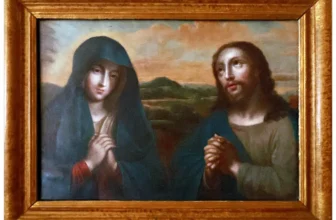
Small devotional paintings
Portraits with condition issues
These pieces are historically valuable but not investment-grade. Still, they offer remarkable charm.
How to Know What an Old Master Painting Is Worth
Valuing an Old Master is one of the most complex tasks in the art market, but also one of the most fascinating. Unlike contemporary art, where price is often artist-driven, Old Master valuation blends scholarship, condition analysis, provenance, rarity, and market timing.
Here’s how experts determine value:
Attribution: The Single Most Important Factor
The difference between:
“By Rembrandt”
“Attributed to Rembrandt”
“Workshop of Rembrandt”
“Follower of Rembrandt”
…can be millions of dollars.
Even a small change in how a painting is catalogued can completely transform its price.
Condition and Restoration History
Old Masters are centuries old. Many underwent overpainting, 19th-century restorations, relinings, or environmental damage.
Collectors must consider:
Paint loss
Craquelure
Varnish discoloration
Previous cleaning campaigns
A masterpiece in compromised condition may underperform, while a modest work in excellent condition may soar.
Provenance: Where the Painting Has Been
A royal or aristocratic provenance can add huge value.
A piece once owned by:
The Medici
Napoleon
Dutch aristocracy
British country estates
…has prestige built into its history.
Conversely, works with gaps in provenance may face skepticism, or export/licensing complications.
Rarity and Subject Matter
Certain subjects always sell better:
Large-scale history paintings
Mythological scenes
Portraits of identifiable nobles
Dramatic religious compositions
Dutch landscapes
Tenebrist scenes with dramatic lighting
Highly repetitive subjects or overly restored devotional pictures may sell less strongly.
Market Comparables
Experts look at recent auction data for:
The same artist
Similar works
Comparable condition
Comparable attribution categories
Databases such as Artnet, Artprice, and auction house archives help refine estimates.
Scholarly Opinion
Scholars can make or break a sale.
A painting endorsed by a leading expert in the field instantly jumps in value. Conversely, a withdrawn or disputed attribution can tank a price.
Why Some Old Masters Cost Millions, and Others Don’t
The Old Master market is not uniform. Values can swing by 10,000% depending on the interplay of attribution, rarity, and desirability.
Here are the key reasons behind the price divide:
Superstar Names Are Exceptionally Rare
There are only so many available works by Caravaggio, Rembrandt, Velázquez, or Raphael held in private hands. When they appear, collectors compete fiercely.
In contrast, followers, pupils, and imitators are far more abundant.
The Museum Factor
The world’s greatest Old Master paintings already reside in museums and will never enter the market again. This inflates the value of the few top-tier works still in private hands.
Uneven Scholarship
A well-documented artist, like Poussin or Rubens, commands more stable prices. Artists with still-developing or controversial catalogues may vary wildly.
The “Wall Power” Effect
Large, dramatic, decorative Old Masters suitable for modern interiors sell better. Small, devotional panels or dark works lacking visual impact often underperform.
Condition Determines Liquidity
Even a major name can be hard to sell if:
Varnish has yellowed
Large sections were repainted
The work was cut down
There is structural instability
Collectors want masterpieces that look like masterpieces.
Changing Trends
Certain genres cycle in and out of collector favor.
Currently rising:
Women Old Masters
Northern Renaissance works
Baroque drama and tenebrism
Dutch still lifes
Large Italian history paintings
Currently quieter:
Repetitive mannerist compositions
Heavily religious small devotional works
Why Old Master Prices Are Rising Again
Collectors entering the market today often ask: “Is now the right time?”
For many experts, the answer is yes. Several factors are driving renewed growth:
Globalization of the Market
Asian, Middle Eastern, and new American collectors are entering Old Master auctions at an unprecedented rate, driving up demand for top pieces.
Record Discoveries
Every reattribution becomes a headline, pushing prices higher across the board.
Alternative Investment Appeal
Old Masters act as a hedge against volatility in contemporary art and financial markets. They’re seen as cultural assets with long-term stability.
Interior Design Trends Favor Classical Aesthetics
Luxury homes increasingly mix contemporary architecture with heritage artworks.
Rising Interest in Women Old Masters
Artemisia Gentileschi, Sofonisba Anguissola, Clara Peeters, and Rachel Ruysch have all seen dramatic increases over the last four years.
Museum Competition
Institutions are buying again, especially to fill historical gaps.
Should You Buy Old Masters? A Collector’s Perspective
A well-selected Old Master can serve as:
A historically important artifact
A stable long-term store of value
A cultural legacy piece
A hedge against contemporary speculation
A visually spectacular centerpiece
But collectors should approach the field with expertise and caution.
Golden Rule:
Buy quality. Buy condition. Buy secure attributions. Buy what you love.
How to Start Collecting Old Masters (Even on a Modest Budget)
Even if you’re not shopping for multi-million-dollar paintings, you can enter the Old Master world strategically.
Tips:
Begin with reputable auction houses, Christie’s, Sotheby’s, Bonhams, Dorotheum.
Look for drawings and small oil sketches, affordable and authentic.
Study attribution terminology carefully.
Work with independent advisors or conservators.
Don’t chase speculative reattributions unless you’re experienced.
Always request condition reports.
The True Worth of Old Masters Today
Old Masters are not just artworks, they’re survivors. They’ve lived through wars, revolutions, fires, dynastic shifts, changing tastes, and centuries of human history. Their rarity gives them enduring appeal; their beauty gives them immediate emotional power.
In today’s market, their worth lies in three things:
Cultural value – They connect collectors to centuries of human creativity.
Historical value – Each one is a piece of world history.
Market value – A combination of rarity, scholarship, and demand.
Whether you’re investing or collecting for passion, the Old Masters today are more relevant, and more valuable, than they have been in decades.