Painters of the 17th Century? A Guide to Masters Who Defined an Era
When people ask about the painters of the 17th century?, they are often seeking more than names. They are searching for an explanation of how art became a powerful mirror of religion, politics, science, and human emotion during a century of upheaval and innovation. The seventeenth century was shaped by religious conflict, the rise of nation-states, expanding global trade, and new scientific thinking. Painters responded by transforming how reality, light, emotion, and power were depicted on canvas. This period gave rise to what is now known as the Baroque era, as well as the Dutch Golden Age, both of which profoundly influenced the direction of Western art.
For collectors, the painters of the 17th century? represent not only artistic achievement but also historical documentation. Their works capture the ambitions of monarchs, the devotion of believers, the pride of merchants, and the quiet dignity of everyday life. The value of these paintings today reflects their rarity, technical mastery, and cultural importance, with many works commanding extraordinary prices at auction and remaining central to museum collections worldwide.
Caravaggio and the Birth of Dramatic Realism
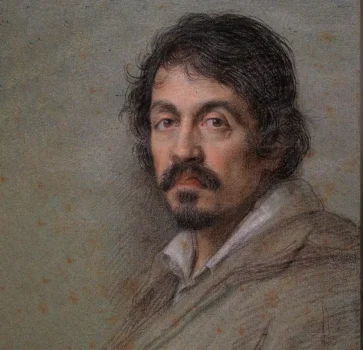
Michelangelo Merisi da Caravaggio became famous because he rejected idealized beauty in favor of uncompromising realism. Born in Italy, Caravaggio trained within the traditions of Renaissance art but quickly broke away from them. He painted religious scenes using ordinary people as models, often depicting saints with dirty feet, weathered faces, and intense emotions. This radical honesty shocked viewers and attracted powerful patrons at the same time.
Caravaggio’s best-known paintings, such as The Calling of Saint Matthew and Judith Beheading Holofernes, demonstrate his revolutionary use of chiaroscuro, the dramatic contrast between light and darkness. His style heightened emotional impact and guided the viewer’s eye through the narrative. The value of Caravaggio’s paintings today is immense, with authenticated works considered priceless cultural assets. His influence on later painters of the 17th century? was enormous, shaping the visual language of Baroque art across Europe.
Peter Paul Rubens and the Power of Movement
Peter Paul Rubens became one of the most celebrated painters of the 17th century? through his ability to combine classical learning with dramatic energy. Working primarily in Antwerp, Rubens enjoyed the patronage of kings, queens, and religious institutions. His fame grew not only from his artistic skill but also from his diplomatic talents, which brought him into elite political circles.
Rubens’s paintings, including The Descent from the Cross and The Garden of Love, are characterized by dynamic movement, rich color, and sensual forms. His style conveyed abundance and vitality, reflecting the ambitions of the Catholic Counter-Reformation. Paintings from Rubens’s workshop are highly valued, with autograph works fetching tens of millions of dollars. Historically, Rubens helped define the grandeur and theatricality that became synonymous with Baroque art.
Rembrandt van Rijn and the Depth of the Human Soul
Rembrandt van Rijn stands among the most revered painters of the 17th century? because of his unmatched psychological insight. Working in the Dutch Republic, Rembrandt achieved early fame as a portraitist and history painter. His reputation grew as wealthy merchants sought portraits that conveyed not only status but individuality.
Rembrandt’s masterpieces, such as The Night Watch and his numerous self-portraits, reveal a deep understanding of human emotion and aging. His later style, with thick paint and subdued tones, was initially criticized but is now celebrated for its expressive power. Rembrandt’s paintings are among the most valuable in the world, and his influence on the portrayal of character and inner life remains central to art history.
Johannes Vermeer and the Poetry of Light
Johannes Vermeer became famous long after his death, yet today he is one of the most admired painters of the 17th century?. Living in Delft, Vermeer produced a small body of work focused on quiet domestic scenes. His limited output and exceptional quality contribute to the extraordinary value of his paintings.
Works such as Girl with a Pearl Earring and The Milkmaid demonstrate Vermeer’s mastery of light, color, and composition. His style conveys stillness and intimacy, elevating everyday moments into timeless images. Historically, Vermeer expanded the possibilities of genre painting and influenced modern ideas about realism and perception.
Diego Velázquez and the Art of Royal Truth
Diego Velázquez achieved fame as the court painter to King Philip IV of Spain. Among the painters of the 17th century?, Velázquez stands out for his ability to combine realism with dignity. His position at court gave him access to powerful subjects, yet he portrayed them with remarkable honesty.
Paintings such as Las Meninas and his portraits of the Spanish royal family demonstrate a sophisticated understanding of space, light, and perspective. Velázquez’s loose brushwork anticipated modern painting, and his works are considered national treasures. His influence extends far beyond Spain, shaping later masters including Manet and Picasso.
Frans Hals and the Energy of Portraiture
Frans Hals became renowned for his lively portraits of Dutch citizens. Unlike formal court painters, Hals focused on merchants, officers, and ordinary people. His fame among the painters of the 17th century? rests on his ability to capture spontaneity and character.
Paintings such as The Laughing Cavalier reveal his loose, confident brushwork and keen observation. Hals’s works are highly valued today, particularly well-preserved examples that showcase his technique. Historically, Hals contributed to a more informal and expressive approach to portraiture that influenced later generations.
Nicolas Poussin and Classical Order
Nicolas Poussin represents a different side of the painters of the 17th century?, emphasizing reason, structure, and classical ideals. Working primarily in Rome, Poussin studied ancient art and philosophy, developing a style grounded in balance and intellectual clarity.
Paintings like Et in Arcadia Ego demonstrate his interest in moral themes and carefully constructed compositions. Poussin’s influence on academic art was profound, shaping French painting for centuries. His works are highly prized by collectors and institutions for their intellectual depth and historical importance.
Claude Lorrain and the Ideal Landscape
Claude Lorrain became famous for transforming landscape painting into a poetic and idealized genre. Among the painters of the 17th century?, Claude’s work stands out for its atmospheric light and harmonious compositions.
His paintings often depict classical ruins and pastoral scenes bathed in golden light. These works appealed to aristocratic collectors and remain highly valuable today. Claude’s influence on landscape painting extended well into the eighteenth and nineteenth centuries, shaping how nature was imagined and represented.
Artemisia Gentileschi and Dramatic Expression
Artemisia Gentileschi achieved fame despite significant personal and professional obstacles. As one of the most accomplished female painters of the 17th century?, she gained recognition for her powerful interpretations of biblical and mythological subjects.
Her paintings, such as Judith Slaying Holofernes, are notable for their emotional intensity and strong female figures. Artemisia’s works have increased significantly in value as her historical importance has been reassessed. Her legacy lies in both her artistic achievement and her challenge to gender norms in art history.
Georges de La Tour and Spiritual Stillness
Georges de La Tour became known for his quiet, contemplative scenes illuminated by candlelight. Among the painters of the 17th century?, La Tour’s restrained style offers a contrast to more dramatic Baroque works.
Paintings like The Penitent Magdalene emphasize simplicity, silence, and introspection. Once forgotten, La Tour’s work is now highly valued and recognized for its spiritual depth and formal clarity. His influence can be seen in later minimalist and realist traditions.
Anthony van Dyck and Aristocratic Elegance
Anthony van Dyck rose to fame as a student of Rubens before establishing his own career, particularly in England. He became the leading portraitist of the English court, shaping the visual identity of aristocracy.
Van Dyck’s portraits are characterized by elegance, refined poses, and subtle psychological insight. His paintings remain valuable, especially those created during his English period. Historically, van Dyck influenced portrait painting in Britain for generations.
The Enduring Legacy for Collectors and History
The painters of the 17th century? collectively transformed art into a powerful language of emotion, intellect, and observation. Their fame arose from a combination of innovation, patronage, and historical circumstance. Today, their paintings hold immense monetary value, but their true worth lies in their enduring influence on how humanity sees itself and the world.
For collectors, these artists represent the pinnacle of artistic achievement and historical significance. Their works are not merely objects of beauty but enduring records of a century that reshaped art forever.